Italy has some of the best food I’ve ever had while travelling. From quick street food to traditional sit-down restaurants. So much of what we ate was made with simple, fresh ingredients, and food quickly became one of my favourite parts of our trip.
Before visiting somewhere new, I always like to research the foods I should try. Food is such a big part of a country’s traditions and culture, and what better way to learn about it than to taste it for yourself?
But Italy is a little different from many other places I’ve travelled. There isn’t just one or two dishes that the entire country is known for. Italian food is incredibly regional, and as we travelled from Rome through Tuscany and northern Italy, the menus changed right along with the scenery.
Some dishes are tied to a particular city, while others come from the surrounding region. Ingredients and cooking traditions have historically been shaped by what was locally available, which is why you’ll find completely different specialties along the Ligurian coast than you will in Rome or Bologna.
So rather than giving you another list of pizza and pasta, this guide covers what to eat in Italy by region, based on the foods we discovered while travelling from Rome through Tuscany, Liguria, Lombardy, Veneto and Emilia-Romagna on our 2-week Italy road trip.
🍝If you’re looking for a unique experience to add to your trip, try a pasta and tiramisu making class (with unlimited wine, ofcourse)
What to Eat in Rome, Lazio
If there’s one city where you should arrive hungry, it’s Rome.
Roman cuisine is known for taking relatively simple ingredients and turning them into dishes that have become famous around the world. Pecorino Romano, guanciale, black pepper and pasta appear again and again, but in slightly different combinations.
Here are a few dishes to look for:
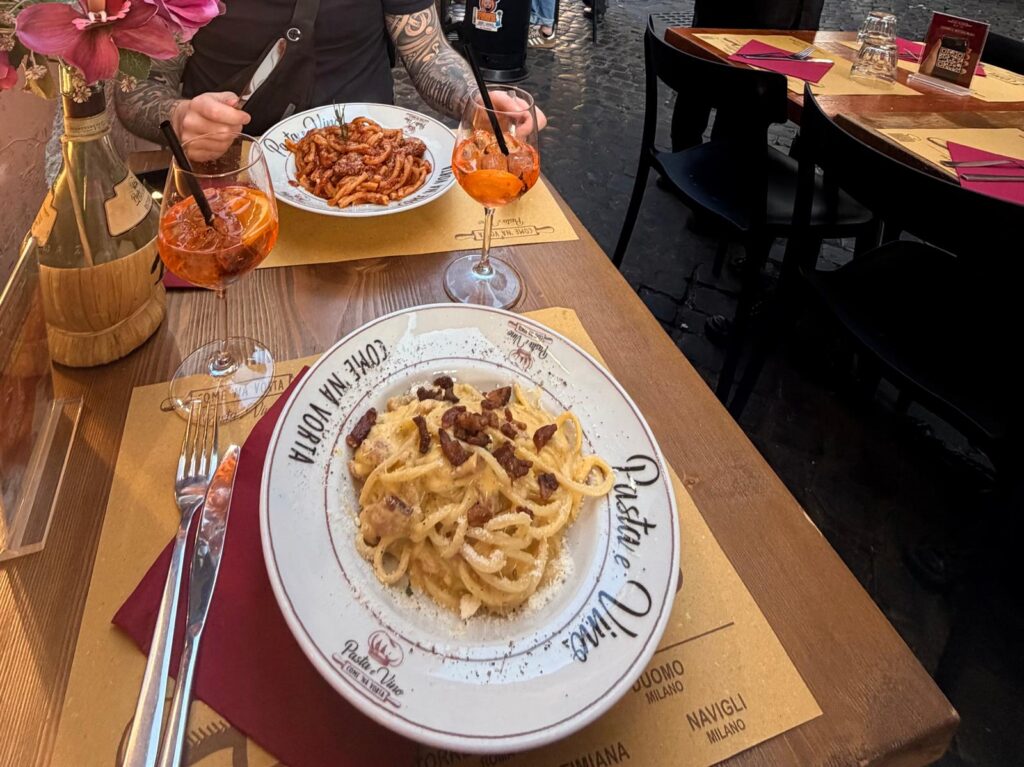
- 🍝 Carbonara – One of Rome’s most famous pasta dishes, traditionally made with eggs, Pecorino Romano, guanciale and black pepper. Traditional Roman carbonara doesn’t use cream.
- 🧀 Cacio e pepe – Literally translating to “cheese and pepper,” this deceptively simple pasta combines Pecorino Romano and black pepper. When it’s done properly, the cheese and pasta water create an incredibly creamy sauce without adding cream.
- 🍅 Amatriciana – Pasta with tomato, guanciale and Pecorino Romano. Although the dish traces its roots to nearby Amatrice, it became a staple of Roman cuisine.
- 🍝 Pasta alla gricia – Sometimes described as the ancestor of amatriciana, gricia combines guanciale, Pecorino Romano and black pepper without the tomato.
- 🍚 Supplì – One of the Roman street foods I’d look for between meals. These fried rice croquettes are typically filled with tomato-seasoned rice and mozzarella.
- 🌿 Carciofi alla Giudia – Whole artichokes fried until the leaves become crispy. The dish is closely associated with Rome’s historic Jewish Quarter and its centuries-old Roman-Jewish culinary tradition.
If you only try a few: Carbonara, cacio e pepe and supplì would be my starting point.
One thing I loved about Rome was that you don’t necessarily need a fancy restaurant to experience Roman food. Some of the things worth seeking out are inexpensive pastas and street foods that have been eaten here for generations.
What to Eat in Pisa, Tuscany
Pisa isn’t usually the first city people think of when talking about Italian food, but there’s one local specialty worth looking for.
- 🥞 Cecina – A thin, savoury pancake made primarily from chickpea flour, water, olive oil and salt. It’s crispy around the edges, soft inside and makes a great inexpensive snack.
You’ll find variations of chickpea pancakes elsewhere along this part of Italy, particularly neighbouring Liguria, where a similar dish is known as farinata.
Pisa is also your first introduction to broader Tuscan cooking, so you’ll start seeing rustic soups, breads, cured meats and simple dishes that make use of local olive oil.
What to Eat in Cinque Terre, Liguria
Once we reached Cinque Terre, the food changed noticeably.
Liguria’s location along the Mediterranean means seafood features heavily, but this is also the home region of one of Italy’s most famous sauces: pesto Genovese.
- 🌿 Trofie al pesto – One of the dishes I’d specifically look for in Cinque Terre. Trofie is a short, twisted pasta traditionally served with pesto made from basil, pine nuts, garlic, Parmigiano Reggiano, Pecorino, olive oil and salt. You may also see it served with potatoes and green beans.
- 🍞 Focaccia – Ligurian focaccia is something worth grabbing from a bakery as a snack rather than waiting for a sit-down meal. It’s typically thinner than many focaccias you may have tried elsewhere, with plenty of olive oil and salt.
- 🐟 Anchovies – Don’t immediately dismiss these if you’re someone who normally avoids anchovies. The Cinque Terre town of Monterosso is particularly associated with anchovies, which are served fresh, salted, marinated and fried.
- 🥞 Farinata – Similar to Pisa’s cecina, this thin chickpea-flour pancake is a classic Ligurian street food.
Something to Drink: Sciacchetrà
Cinque Terre also produces Sciacchetrà, a sweet wine made using grapes grown on the incredibly steep terraced vineyards surrounding the villages.
Once you see the hillsides around Cinque Terre, you appreciate just how unusual wine production here is. The vineyards cling to steep slopes above the sea, and many of the grapes have traditionally had to be harvested by hand.
What to Eat in Milan, Lombardy
Milan was only a short stop on our road trip, but there’s one dish I’d specifically seek out while you’re there:
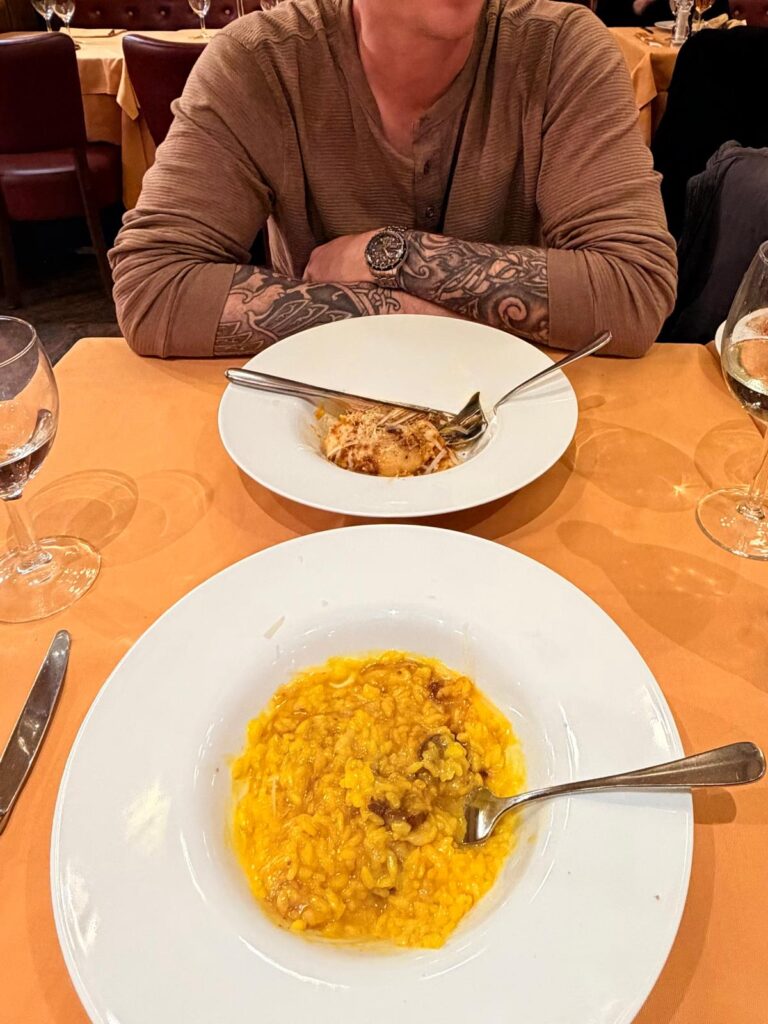
- 🍚 Risotto alla Milanese – Milan’s famous risotto gets its distinctive golden colour from saffron. It’s rich, creamy and very different from the pasta-heavy dishes you may have been eating elsewhere in Italy.
Another traditional Milanese dish you may see is cotoletta alla Milanese, a breaded veal cutlet traditionally cooked in butter.
Interestingly, you’ll encounter another famous cotoletta later in Bologna, but the two cities have their own versions.
What to Eat Around Lake Como, Lombardy
Lake Como is still in Lombardy, but its lakeside setting brings its own local food traditions.
- 🐟 Risotto con pesce persico – Risotto served with perch from the lake is one of the dishes most associated with the Lake Como area. After risotto alla Milanese in Milan, this is a great example of how even travelling within the same region can change what appears on the menu.
- 🌽 Polenta – A staple throughout northern Italy made from cornmeal and served in many different ways. Around Lake Como, you may find it alongside meat, cheese, mushrooms or fish.
- 🐟 Missoltini – A particularly local Lake Como specialty made from agoni, small lake fish that are salted and dried before being grilled and traditionally served with polenta.
We stayed outside the main towns at Agriturismo Cascina Mirandola, and the food was actually one of the highlights of our stay. The restraunt was actually farm-to-table which we loved. Staying at an agriturismo is another great way to experience more regional Italian cooking because the focus is often heavily tied to local ingredients and traditional dishes.
If that sounds like your kind of trip, read my Why Agriturismos Are the Best Way to Stay in Italy guide.
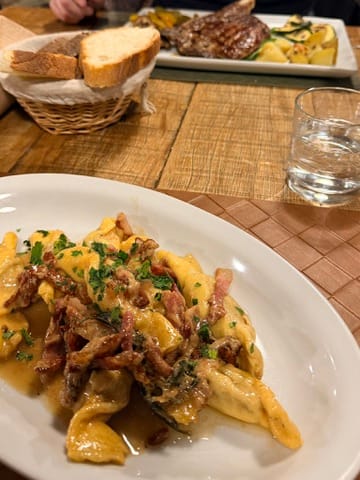
What to Eat in Venice, Veneto
Venice was probably one of my favourite places to experience food because there’s a whole eating culture here that I didn’t fully understand before visiting.
Rather than sitting down for every meal, make time for cicchetti.
- 🍢 Cicchetti – Small Venetian snacks served at traditional wine bars called bàcari. Think of them almost like Venetian tapas: little pieces of bread topped with seafood, meats, cheeses and spreads, plus plenty of other bite-sized creations.
- 🐟 Baccalà mantecato – Creamy whipped salt cod that’s commonly spread onto bread or polenta and served as cicchetti.
- 🐟 Tramezzini – Sardines prepared with onions, vinegar and other sweet-and-sour flavours. This dish developed partly as a way for Venetian sailors and fishermen to preserve fish for longer periods.
- 🍝 Bigoli in salsa – Thick strands of pasta traditionally served with an onion and anchovy sauce.
- 🍚 Risi e bisi – Somewhere between risotto and soup, this traditional Venetian dish combines rice and peas.
Where We Ate in Venice
For cicchetti, we visited Cantina Do Mori, one of the stops I’d recommend if you want to experience the traditional bàcaro style of eating.
For a sit-down meal, we also really enjoyed Birraria La Corte.
We actually did a food tour in Venice and it was one of my favourite activities. I’ve put together a complete Venice Food Guide with some of the places we visited, what to look for and more tips for eating your way through the city.
What to Eat in Florence, Tuscany
Florence is where Tuscan food really starts to feel hearty.
Tuscan cuisine traditionally relies heavily on good ingredients and relatively simple preparation, and one dish dominates many Florence food lists.
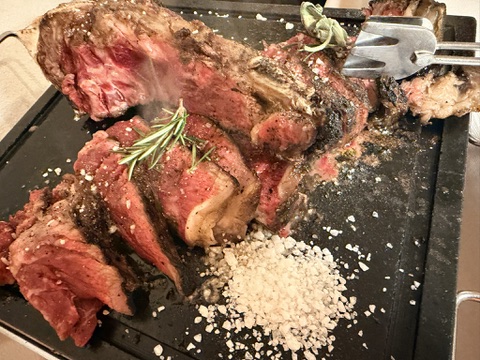
- 🥩 Bistecca alla Fiorentina – The famous Florentine steak. Traditionally, this is a very thick bone-in steak cooked over high heat and served rare. Don’t expect everyone at the table to order their own. These steaks can be enormous and are often sold by weight and shared.
- 🥪 Lampredotto – One of Florence’s most famous street foods, made from the fourth stomach of a cow and traditionally served in a sandwich. It may not sound particularly appealing on paper, but it’s deeply tied to Florence’s working-class food history.
- 🍅 Pappa al pomodoro – Another example of Tuscany’s ability to turn very simple ingredients into comfort food. This thick dish combines tomatoes, stale bread, garlic, basil and olive oil.
- 🍞 Schiacciata – Tuscan flatbread that you’ll find filled with meats, cheeses and other ingredients throughout Florence.
Where We Had Florentine Steak
One meal that really stood out for us in Florence was at Trattoria da i Bigi e i Birghe, where we went for bistecca alla Fiorentina.
If Florentine steak is high on your Italy food list, Florence is definitely where I’d save room for it.
While you’re in the area, check out my 10 Unique Things to Do in Tuscany for more ideas outside the city.
Don’t Forget About the Wine
Food is only half the experience in Italy. If you have the time, I’d definitely recommend adding at least one winery or wine-tasting experience to your trip.
We did a private wine tour at Brolio Castle in Tuscany, which ended up being one of the highlights of our road trip. Between walking through the vineyards, learning about the history of Chianti, tasting the wines and finishing with a three-course paired lunch, it was a great way to experience another side of Italian food culture.
If you’re travelling through Tuscany, you can read about our experience in my Brolio Castle Gran Cru Tour Review. There are also plenty of shorter and more budget-friendly wine tastings throughout Tuscany if you don’t want to dedicate half a day to it.
What to Eat in Bologna, Emilia-Romagna
If you’re planning your trip around food, Bologna deserves a stop.
The city is so closely associated with food that one of its nicknames is La Grassa, or “The Fat,” a reference to its famously rich culinary tradition.
And there’s one important thing to know before arriving:
Don’t Go Looking for Spaghetti Bolognese
What much of the world calls “spaghetti Bolognese” isn’t how Bologna traditionally serves its famous meat sauce.
Look for:
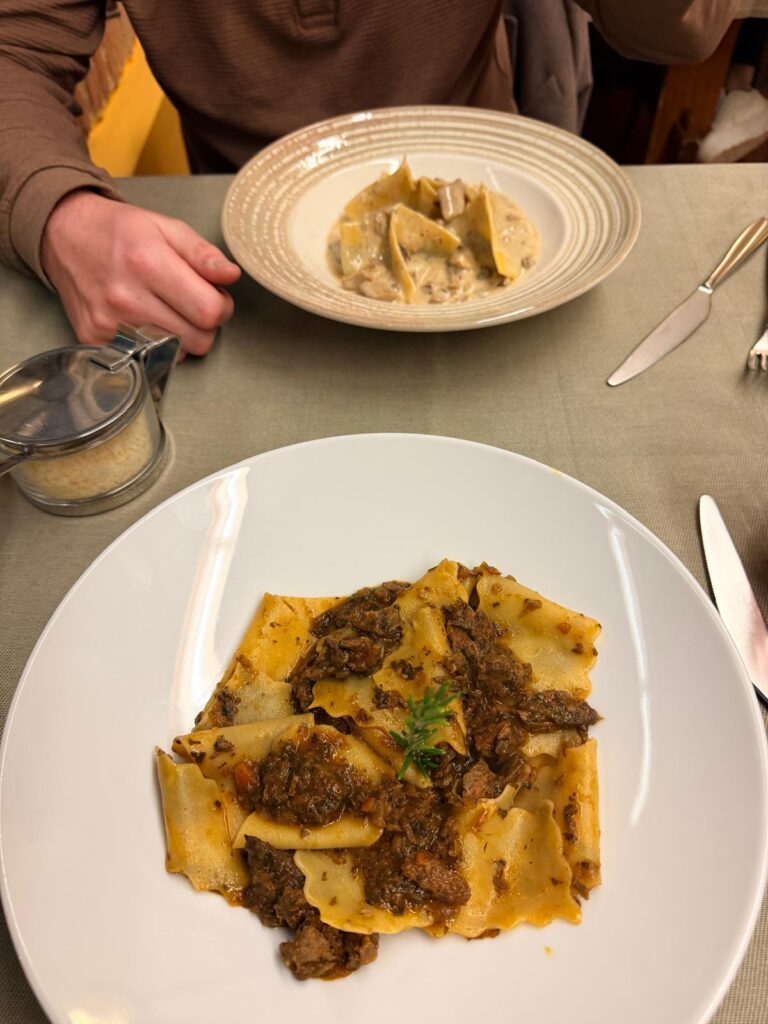
- 🍝 Tagliatelle al ragù – The Bologna classic. The slow-cooked meat ragù is traditionally served with broad ribbons of tagliatelle rather than spaghetti.
- 🥟 Tortellini in brodo – Tiny stuffed pasta traditionally served in broth. This is particularly comforting if you’re visiting Italy during the cooler months.
- 🍝 Lasagne verdi alla Bolognese – Traditional Bolognese lasagna uses green spinach pasta layered with ragù and béchamel.
- 🥓 Mortadella – Bologna is the birthplace of mortadella. If you’ve only experienced the North American deli meat inspired by it, trying the real thing in Bologna is a very different experience.
- 🍗 Cotoletta alla Bolognese – Bologna’s version of cotoletta is topped with prosciutto and Parmigiano Reggiano and finished with broth, making it very different from the simpler breaded Milanese version.
Bologna is one of those places where I’d arrive without much of a sightseeing schedule and leave plenty of room for eating.
More Italian Foods to Try by Region
Our road trip only covered a small portion of Italy, and that’s really the point of this article. You could travel through completely different parts of the country and encounter an entirely different collection of traditional foods.
If your Italy itinerary takes you beyond the places we visited, here are a few more regional specialties worth knowing about.
Naples & Campania
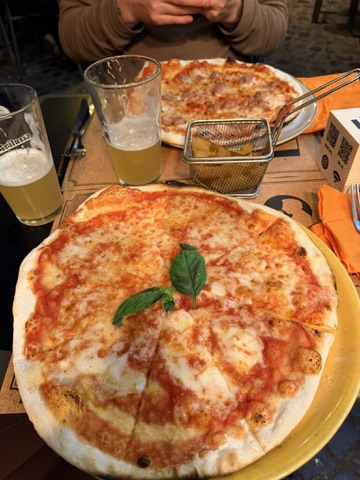
This is the birthplace of pizza Napoletana, so eating pizza in Naples is practically an attraction in itself.
Also look for:
- sfogliatella: a crisp, layered pastry traditionally filled with sweetened ricotta
- babà: a rum-soaked cake
- pasta alla Genovese: which confusingly isn’t from Genoa at all. It’s a Neapolitan pasta dish built around slowly cooked onions and meat.
Campania is also strongly associated with buffalo mozzarella, particularly mozzarella di bufala Campana.
Sicily
Sicilian cuisine alone could fill an entire article.
Look for arancini/arancine, fried stuffed rice balls; pasta alla Norma, with tomato, eggplant and ricotta salata; and, of course, cannoli.
For breakfast, try granita with brioche, particularly during warmer weather.
Parma & Modena, Emilia-Romagna
Emilia-Romagna’s food reputation extends well beyond Bologna.
Parma and the surrounding area are associated with two of Italy’s most famous products: Parmigiano Reggiano and Prosciutto di Parma.
Nearby Modena is famous for traditional balsamic vinegar, which is a completely different product from the inexpensive balsamic vinegar you may be used to buying at home.
Puglia
Head south to Puglia and you’ll encounter orecchiette, the little ear-shaped pasta particularly associated with the region.
Other specialties include focaccia Barese and burrata, the incredibly creamy cheese that originated in Puglia.
Piedmont
Piedmont is a destination worth knowing about if you’re particularly interested in food and wine.
The region is famous for white truffles, especially around Alba, as well as dishes such as vitello tonnato and agnolotti.
It’s also home to some of Italy’s most celebrated wine regions.
Sardinia
Sardinia has developed its own distinct food traditions thanks partly to its island geography.
Look for culurgiones, stuffed pasta typically filled with potato, cheese and mint; pane carasau, a very thin and crisp flatbread; and porceddu, traditionally roasted suckling pig.
A Few Things I Learned About Eating in Italy
One of my biggest takeaways from this trip was to stop looking for the same dishes everywhere.
If you’re in Rome, eat Roman pasta. When you reach Liguria, try pesto and seafood. Order risotto in Lombardy, cicchetti in Venice, bistecca in Florence and ragù in Bologna.
You don’t need to hunt down every single food on this list. Pick a few specialties in each place and look for them as you travel.
And don’t overlook the simple stuff. Some of our favourite food experiences weren’t elaborate restaurant meals. They were small plates, bakery stops, local wine and dishes that made much more sense once we understood where they came from.
If you’re planning a similar route, my 2-Week Italy Road Trip Itinerary covers all of these stops, while my Where to Stay in Italy guide includes the hotels and agriturismos we used along the way.
Italy is one of those countries where eating isn’t just something you do between sightseeing. It is part of the sightseeing.