Tuscany was the region that surprised me the most on my Italy trip. I knew it would be beautiful, but I didn’t expect it to feel this peaceful or this untouched. Cypress‑lined roads, rolling hills, old stone farmhouses, and vineyards that stretch toward the horizon give the whole area a slow, timeless feel. It’s the kind of place where even a quick drive turns into a scenic stop every few minutes.
If you’re planning your Tuscany itinerary and want to experience unique things to do in Tuscany beyond the usual tourist checklist, these highlights are a great starting point. I spent my time here wandering medieval streets, visiting family‑run wineries tucked deep in the countryside, and exploring hilltop towns that felt frozen in time. Tuscany makes it easy to slow down, explore at your own pace, and enjoy the quiet moments that end up becoming your favourite memories.
Below are ten unique things to do in Tuscany that showcase the region’s beauty, traditions, and the experiences that make this part of Italy so memorable.
- Essential tips for visiting Tuscany
- Unique things to do in Tuscany
- 1. Visit a Family-Owned Winery in Chianti
- 2. Take a Countryside Cooking Class
- 3. Road Trip Through the Val d’Orcia
- 4. Explore San Gimignano’s Medieval Towers
- 5. Explore Siena and It's Unique Gothic Cathedral
- 6. Shop for Hand-Crafted Leather in Florence
- 7. Get Lost Finding the Best Gelato in Tuscany
- 8. Soak in a Natural Hot Spring: Saturnia or Bagni San Filippo
- 9. Go Truffle Hunting Near San Miniato
- 10. Visit the Leaning Tower and Piazza dei Miracoli in Pisa
- 11. Bonus: Add a Coastal Day Trip to Cinque Terre
- FAQ: Planning you Tuscany Trip
- Final Thoughts
Essential tips for visiting Tuscany
- Best time to visit: Late April–June and September–October for mild weather, fewer crowds, and beautiful light over the hills.
- How long to stay: Ideally 4–7 days to mix countryside, small towns, and at least one city.
- Getting around: A car gives you the most freedom, especially for the Val d’Orcia and countryside experiences, but many of these can also be done on guided day trips from Florence or Siena.
I always book my car rentals through Expedia as they offer their own insurance and have great return policies. Check out options below!
Unique things to do in Tuscany
1. Visit a Family-Owned Winery in Chianti
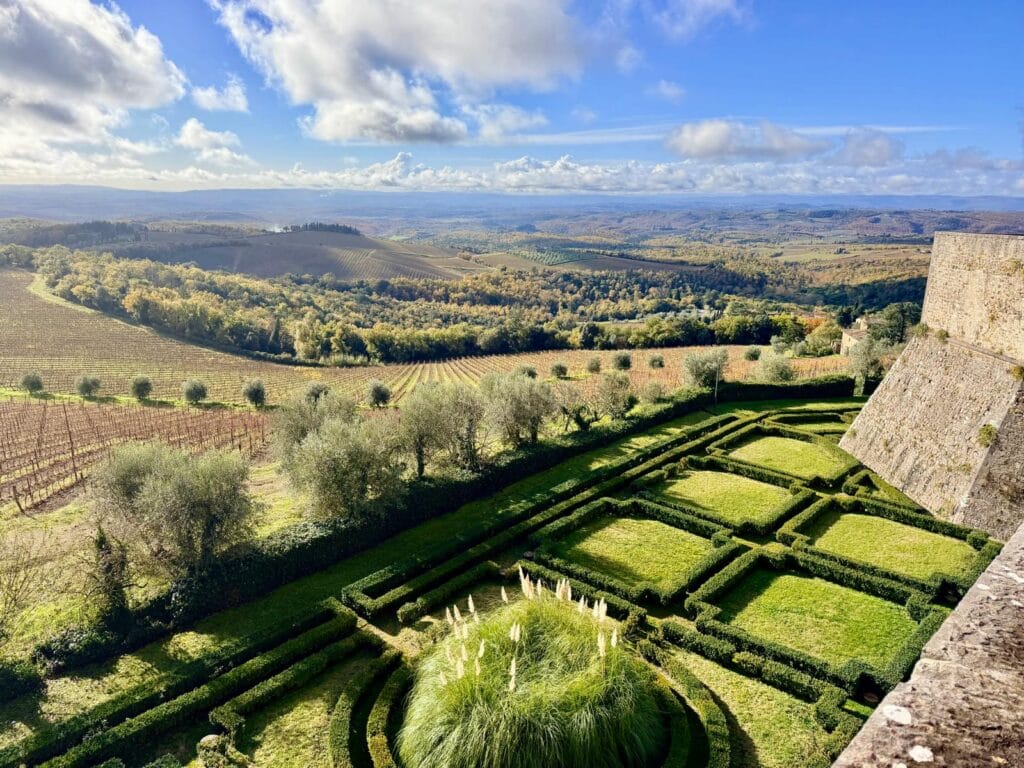
Chianti is one of the most iconic wine regions in Tuscany. It’s the perfect place to spend a slow day tasting wine and exploring the countryside. Tuscany is full of family‑owned wineries, from tiny estates to historic producers that have shaped the region for centuries. Many offer tastings paired with homemade olive oil, local meats, and aged cheeses, making it a great experience even if you’re not a big wine drinker. Chianti Classico is the area’s signature wine, known for its deep reds and the black rooster on the label.
One of the wineries we visited was Ricasoli, whose estate dates back to 1141, when the family acquired Castello di Brolio. It’s widely recognized as Italy’s oldest continuously operating wine estate and one of the earliest known producers in the world. We did the Gran Cru Tour, which included a private walk through the castle grounds followed by a guided tasting and lunch. The setting, the history, and the wine made it one of the most memorable experiences of our time in Tuscany.
If you don’t have a car, here is an awesome tour through GetYourGuide that takes you to two different local wineries for a great price: Chianti Wine Tour and Tasting
🍇Tip: Book tastings ahead of time, especially in peak season. Many estates, big or small, require reservations.
If you’re interested in learning more, see my post: What It’s Really Like Touring The Oldest Winery in Italy (Link to come!)
2. Take a Countryside Cooking Class
A cooking class is one of the most memorable ways to experience Tuscany, and you get to take the skills home with you. I ranked this so high because I love cooking and Italian food, and taking a class was a non‑negotiable for me. Most countryside classes are held on farms or inside rustic stone houses, often with a glass or two of wine in hand. You’ll learn to make fresh pasta, classic sauces, and desserts using ingredients grown right on the property.
What makes these classes special is the setting. You’re not standing in a modern kitchen in the middle of a busy city. Instead, you’re surrounded by rolling hills, gardens, and families who have been cooking the same recipes for generations. It feels slow, personal, and very Tuscan.
When choosing a cooking class, look for one that keeps the group small and takes you out into the countryside for a more intimate experience. Here’s a great option near Siena: Small Group Cooking Class in Chianti Farmhouse.
🍝Tip: These classes often book up weeks in advance, especially in summer. If it’s high on your list, reserve early.
3. Road Trip Through the Val d’Orcia
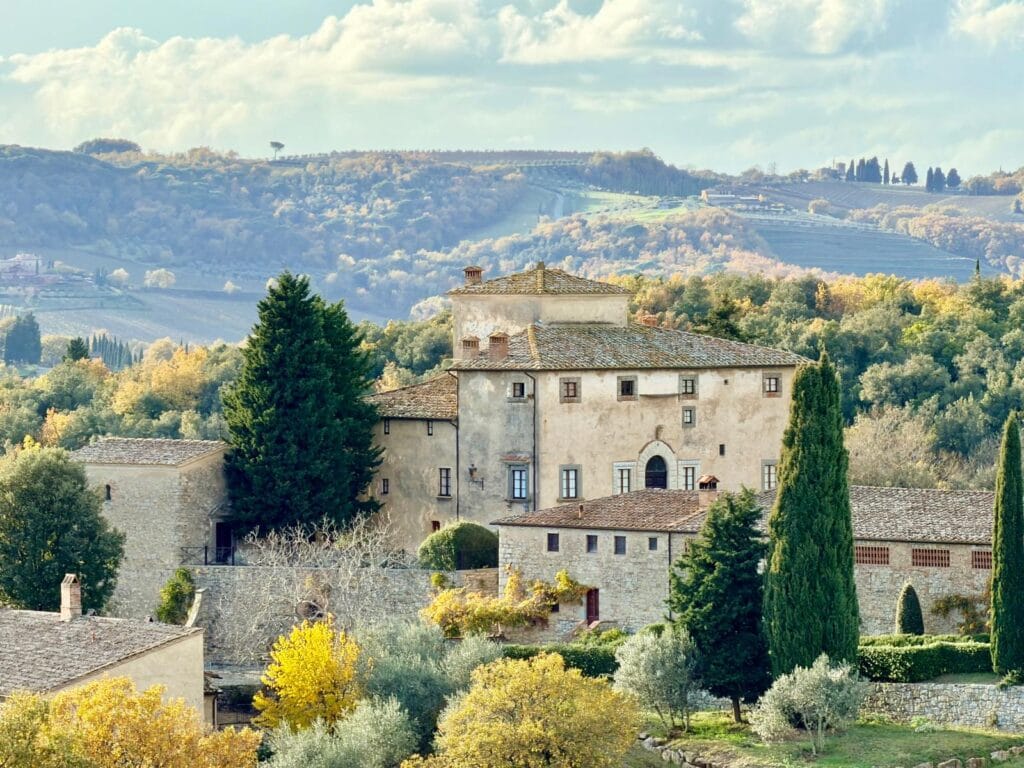
This is Tuscany at its dreamiest, especially in the fall. The Val d’Orcia is a protected region in southern Tuscany known for its sweeping landscapes, historic villages, and long cypress-lined roads that look like they were made for postcards. The scenery feels almost unreal, especially in the early morning or late afternoon when the light softens over the hills.
Some of the top stops include the Chapel of Vitaleta, the Gladiator film location, and the winding zigzag road near Monticchiello. Each viewpoint has its own charm. Half the fun is pulling off the road whenever something catches your eye.
If you have a car, this is one of the most unique experiences to add to your Tuscany itinerary. You can explore at your own pace, stop for photos whenever you want, and enjoy the quiet backroads.
4. Explore San Gimignano’s Medieval Towers
San Gimignano is one of Tuscany’s most famous hilltop towns. It’s known for its cluster of medieval stone towers rising above the rooftops. Walking through the town feels like stepping back in time, and the historic centre is a UNESCO World Heritage site. Narrow lanes wind past artisan shops, old stone archways, and small squares where locals gather for a quick coffee or glass of wine.
The highlight here is the skyline. San Gimignano once had more than 70 towers built by wealthy families competing for status. Today, 14 remain, making the town one of the best-preserved examples of a medieval “tower town” in Italy. You can climb Torre Grossa, the tallest tower, for panoramic views across the rolling hills and vineyards that surround the town.
Don’t miss a stop at Gelateria Dondoli, one of the most well-known gelato shops in all of Italy. Or a walk up to the old fortress for another great viewpoint. San Gimignano gets busy during the day, so visiting early in the morning or later in the afternoon gives you a quieter, more enjoyable experience. Check out my guide for Everything You Need to Know When Visiting San Gimignano (Link to Come Soon)!
🏰Fun Fact: San Gimignano is known for its saffron and Vernaccia white wine, and many shops actually offer tastings.
Back in the late 1100s, the trade of these two products brought significant wealth to the town. That wealth helped powerful families build the tall medieval towers that became symbols of their status and influence.
If you don’t have a car, here’s a great option that combines both Siena and San Gimignano into one day trip: Visit Siena and San Gimignano.
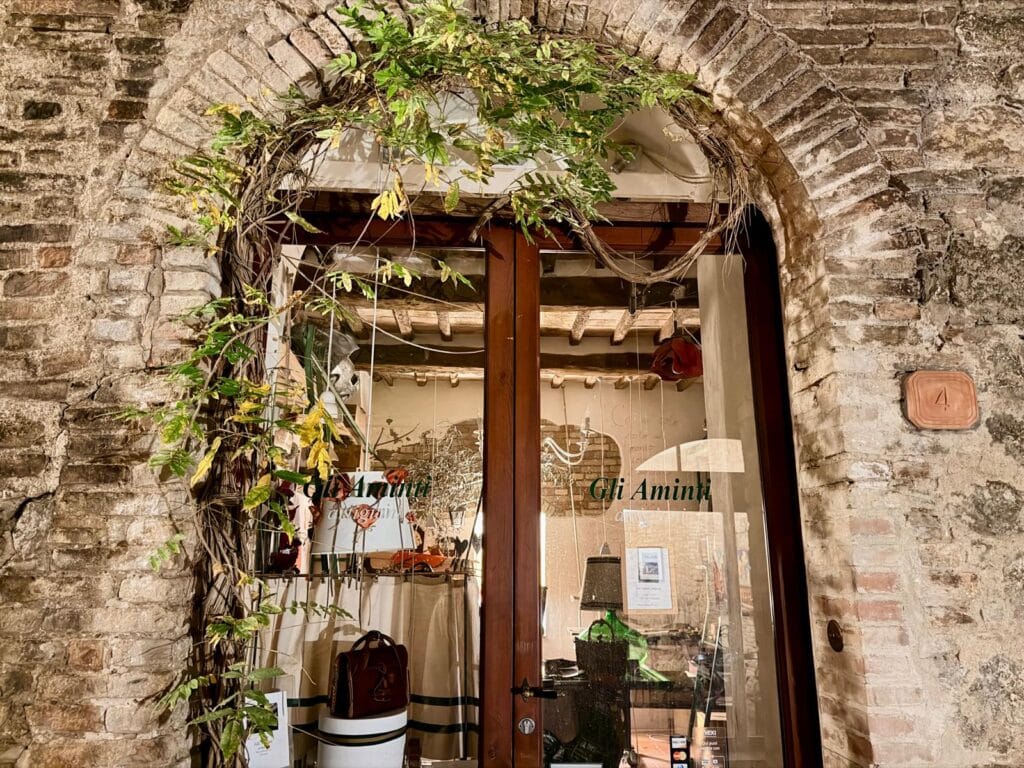
5. Explore Siena and It’s Unique Gothic Cathedral
Siena is a town you absolutely shouldn’t miss on a trip through Tuscany. The whole place feels different the moment you arrive. Red‑brick buildings, narrow medieval streets, and the massive fan‑shaped Piazza del Campo give it a completely different atmosphere from other Tuscan towns.
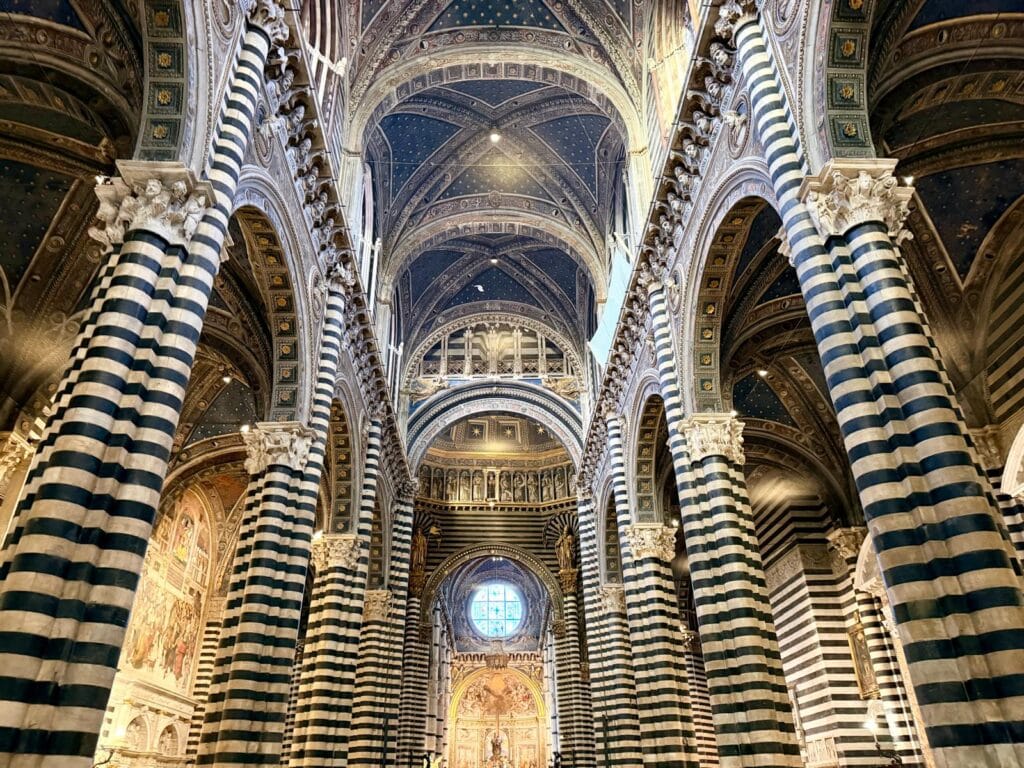
The standout here is the Siena Cathedral (Duomo di Siena). I’ve seen quite a few Gothic‑era cathedrals, and this one is unlike anything else. The striped black‑and‑white marble, the carved façade, and the detailed interior make it feel almost unreal. Even if you’ve visited plenty of cathedrals before, this one stands out immediately. Book tickets ahead of time through GetYourGuide: Cathedral Pass with Audio Guide!
Siena is also known for its historic contrade – 17 neighbourhoods with their own colours, symbols, and traditions. You’ll see flags and emblems throughout the city, each representing a different district.
If you have time, climb the Panorama del Facciatone for incredible views over the rooftops, or stop in the Piccolomini Library inside the cathedral. The bright, colourful frescoes are some of the best-preserved in Italy, and why it belongs on any list of unique things to do in Tuscany.
6. Shop for Hand-Crafted Leather in Florence
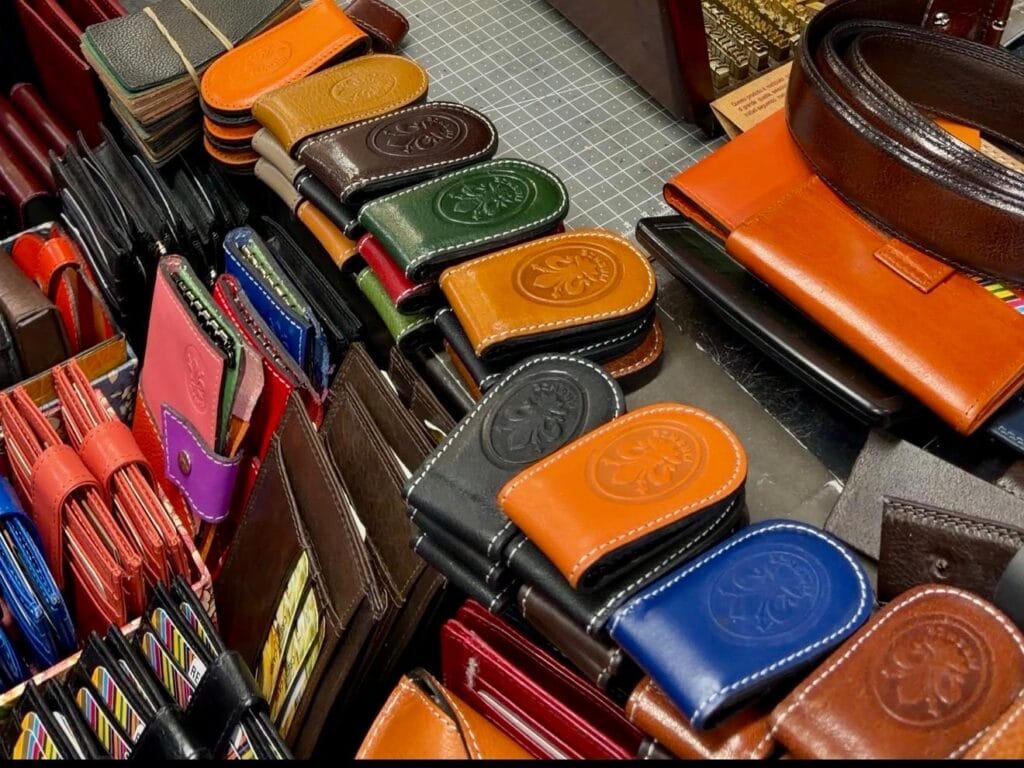
Florence is famous for its leather, and you’ll notice it right away as you walk through the markets and narrow streets. The city has been known for its craftsmanship for centuries. In fact, many workshops still use traditional techniques that have been passed down through generations.
What makes leather shopping in Florence special is the personalization. Many small studios offer custom embossing, hand‑stamped initials, or made‑to‑measure pieces. You can often watch the artisans cutting, stitching, and dyeing the leather right in front of you. It makes the whole experience feel much more meaningful than buying something mass‑produced. You can even try your hand at crafting your own leather items with a Leather Workshop in Florence.
If you plan on bringing something home, look for family‑run workshops instead of the big tourist stalls. The quality is much better, and you’ll get honest guidance about how each piece was made. Smaller items like belts, journals, wallets, and cardholders make great souvenirs!
Tip: Authentic Florentine leather has a soft, natural texture and a subtle, rich smell. If it feels stiff, plasticky, or overly shiny, it’s likely not genuine.
7. Get Lost Finding the Best Gelato in Tuscany
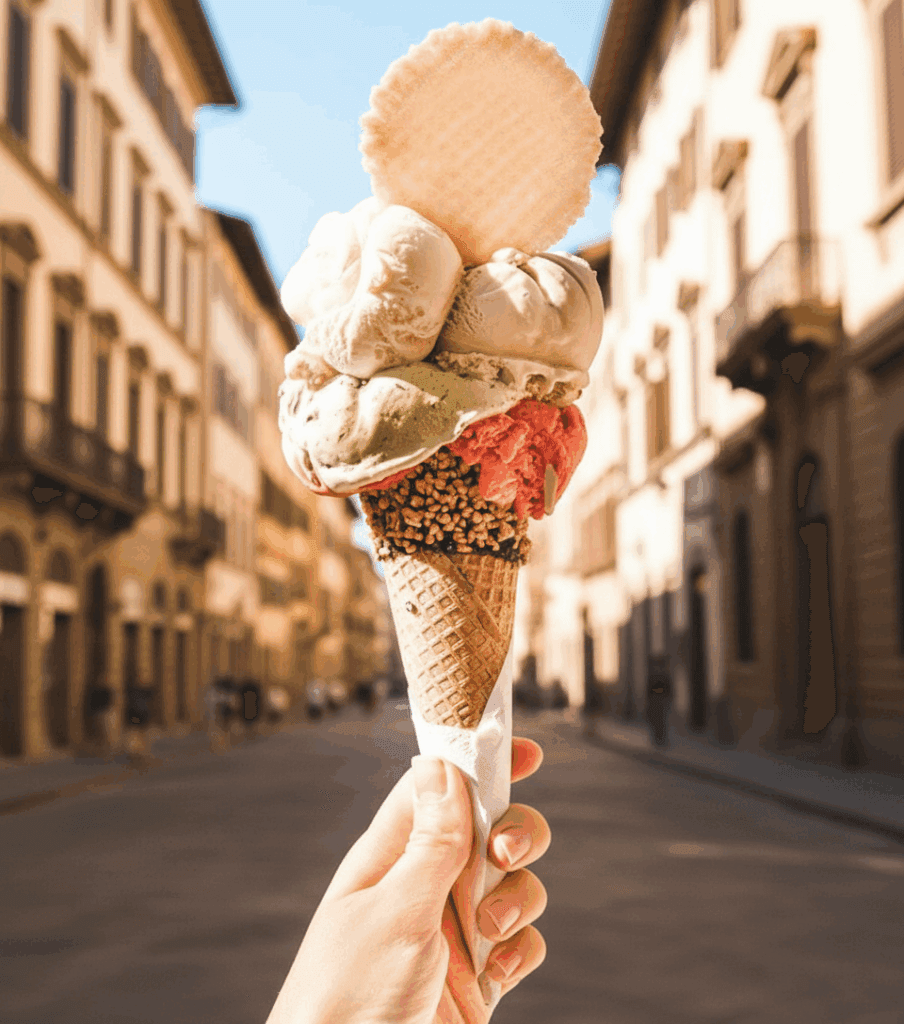
I had some of the best gelato of my entire trip in Tuscany, and most of it I found completely by accident. In touristy cities like Florence, finding the good spots takes a bit of strategy. A local food tour taught me a few helpful tricks for spotting authentic gelato, and once you know what to look for, it becomes easy to avoid the tourist traps.
What to avoid:
- Bright, neon colours
- Huge mountains of gelato piled high in the window
- Open‑air tubs left exposed all day
Real gelato doesn’t need artificial colouring or dramatic swirls. When it’s left open, the top layer gets too warm and the bottom freezes, which ruins the texture.
What to look for:
- Natural, muted colours
- Seasonal flavours
- Metal containers with lids
- Short, simple ingredient lists
- Classic Italian flavours like pistachio, hazelnut, crema, fior di latte, stracciatella, or gianduia
A few incredible gelato shops I loved in Florence were La Sorbettiera and Edoardo. The flavours were fresh, creamy, and made with real ingredients. Be sure to try the Florentine Cream if it’s available.
If you’re a big foodie, consider taking a food tour at the start of your trip. We took one in Venice, and it taught us so much about how to spot authentic food, including gelato. This Florence Street Food Tour with Local Guide is run by the same company.
8. Soak in a Natural Hot Spring: Saturnia or Bagni San Filippo
Tuscany is home to some incredible natural hot springs, and even though I didn’t make it there on this trip, they’re high on my list for next time. These geothermal pools are tucked into the countryside, surrounded by forests, fields, and quiet rolling hills. If you’re looking for unique experiences in Tuscany, these hot springs are a highlight.
The most famous spot is Saturnia, known for its blue water and terraced limestone pools that almost look unreal in photos. The water stays warm year-round and flows naturally from a nearby thermal spring. It can get busy, but arriving early in the morning or close to sunset gives you a much quieter experience. You can buy timed Entrance Day Tickets online for the spa complex.
A more hidden option is Bagni San Filippo, a smaller set of natural pools surrounded by white mineral formations and shaded woodland. It feels more rugged and less polished than Saturnia, but that’s part of the charm. The main formation here, called the “White Whale,” is one of the most unique natural structures in Tuscany.
9. Go Truffle Hunting Near San Miniato
San Miniato is one of the best places in Italy for truffles, especially the prized white truffle that’s harvested in the fall. Even though I didn’t have time to do this on my trip, it’s one of those experiences that feels uniquely Tuscan. It’s definetly an experience worth coming back for.
Truffle hunting usually takes place in the forests just outside the town. You head out with a trained truffle dog and a local guide who knows the land inside and out. The experience is slow, hands‑on, and surprisingly peaceful. You learn how truffles grow, why they’re so hard to find, and how much skill and intuition goes into the search.
Most tours end with a tasting, where you get to try fresh truffle shaved over simple dishes like pasta or bruschetta. It’s a great way to experience the flavours of the region in the most authentic setting possible. Here is the tour I had planned to do: Truffle Hunting in Chianti with Pasta Cooking Class & Lunch.
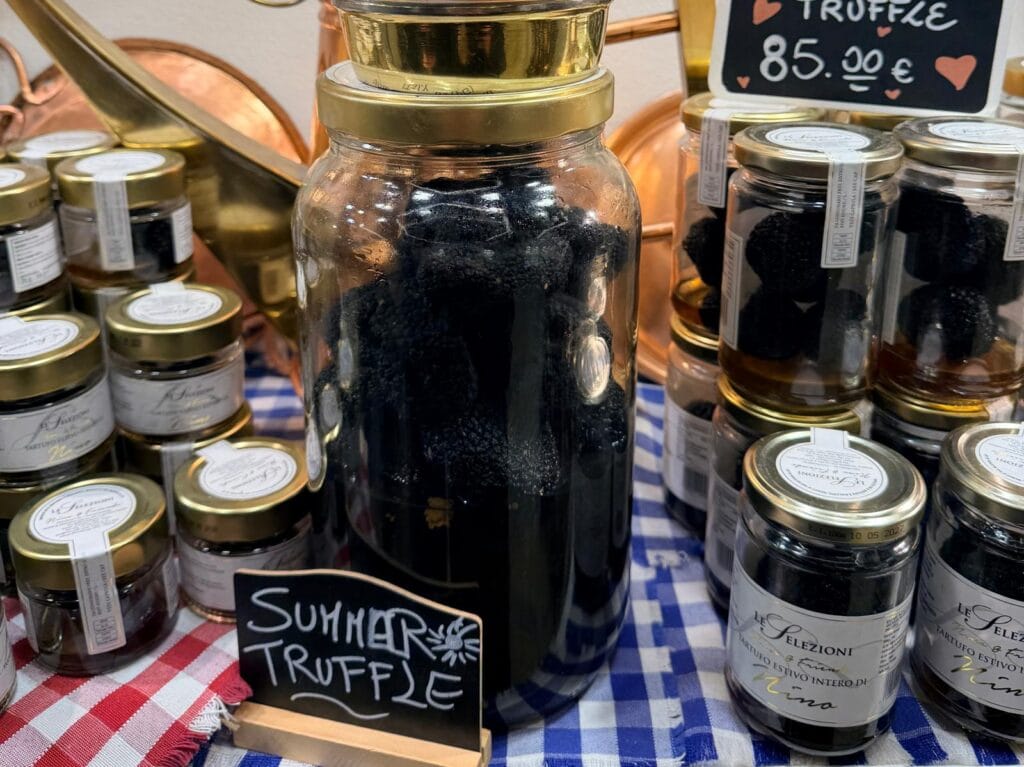
🍄🟫Tip: If you’re visiting in late October or November, check dates for the San Miniato White Truffle Festival. It’s one of the most famous truffle festivals in Italy.
10. Visit the Leaning Tower and Piazza dei Miracoli in Pisa
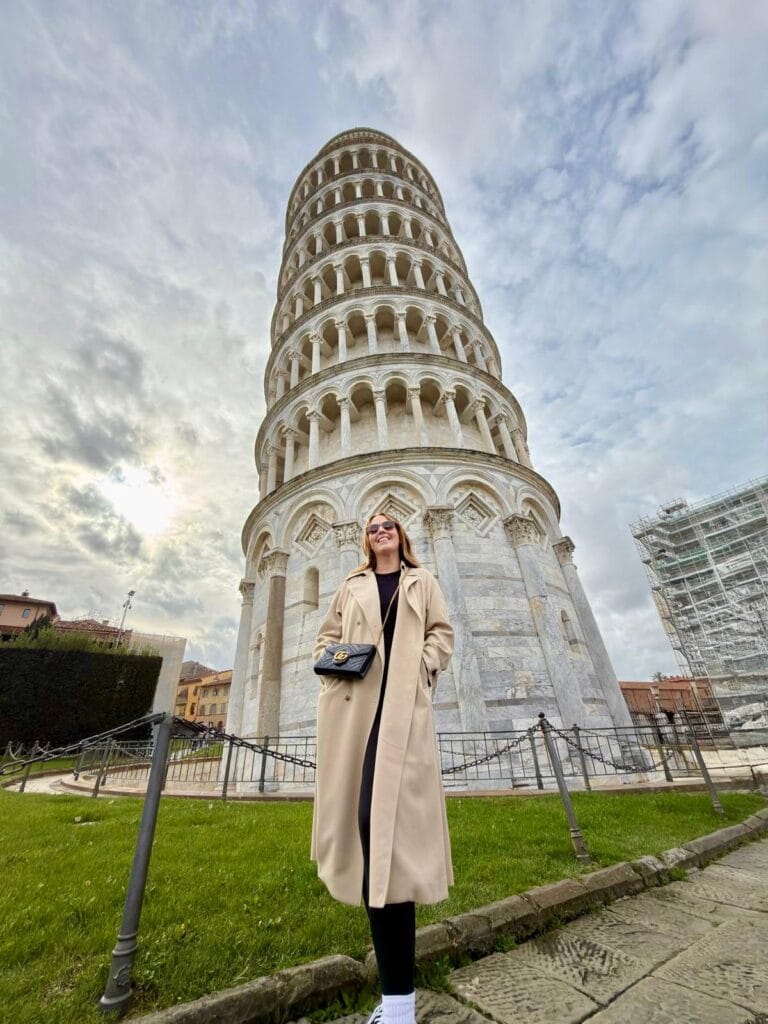
Pisa is one of those places you almost feel obligated to see, but it ended up surprising me in the best way. The Leaning Tower is just one part of a much larger complex called the Piazza dei Miracoli, a bright white collection of churches and monuments sitting on a huge lawn. Even with the crowds, the architecture is beautiful and the tilt of the tower is more dramatic in person than any photo shows.
Beyond the classic picture, the real highlight is climbing the tower. The inside spirals upward at an angle, so you actually feel the lean as you walk. It’s is a strange but fun experience! The view from the top looks out over the rooftops and the cathedral grounds, its worth the hike.
If you have extra time, wander a few streets away from the main square and you’ll find quieter cafés, river views along the Arno, and a much more local side of Pisa. It’s an easy half‑day stop and a great way to break up travel between Florence and the coast.
🎟️Tip: Book your tower climb online: Tickets to Leaning Tower and Cathedral. Same-day spots often sell out, especially in summer.
11. Bonus: Add a Coastal Day Trip to Cinque Terre
Even though Cinque Terre isn’t technically in Tuscany, a lot of travelers combine the two. The journey makes an incredible add‑on if you’re looking for a change of scenery. After days of rolling hills and medieval towns, the colourful cliffside villages of Cinque Terre feel like stepping into a completely new part of Italy.
Cinque Terre is made up of five small towns perched on the Ligurian coastline, each with pastel houses, steep lanes, and views that open straight out to the sea. The best way to see them is by hiking the coastal trails or taking the local train that connects each village in just a few minutes.
A few highlights include:
- Vernazza, one of the most photographed towns, especially from the hilltop lookout
- Manarola, with its iconic sunset viewpoint overlooking the harbour
- Riomaggiore, perfect for wandering the narrow streets and grabbing a seaside aperitivo
You can easily visit two or three towns in a single day, making it a great option if you’re based in northern Tuscany. It’s colourful, energetic, and completely different from the countryside.
☀️Tip: Start early if you’re visiting in summer. The trails and trains fill up fast, and mornings are much quieter and cooler.
FAQ: Planning you Tuscany Trip
How many days do you need in Tuscany?
If it’s your first visit, plan on at least 4–5 days so you can see a mix of countryside, small towns, and one major city like Florence or Siena without rushing. With a week, you can add slower days in the Val d’Orcia, Chianti, and maybe a side trip to Pisa or the coast.
Do you need a car to see Tuscany?
A car gives you the most flexibility, especially for wineries, hot springs, and quiet viewpoints in the Val d’Orcia. That said, you can still see many of the best places in Tuscany using trains and guided day trips from Florence, Siena, or Pisa if you’d rather not drive.
What is the best month to visit Tuscany?
May, June, September, and early October offer a great balance of pleasant temperatures, open seasonal businesses, and fewer crowds than peak summer. July and August can be hot and busy, especially in popular towns and coastal areas.
I travelled to Tuscany in November and it was still beautiful. Quieter, moodier, and with far fewer crowds. But you should expect cooler temperatures, shorter days, and a higher chance of rain.
Final Thoughts
Tuscany stays with you long after you leave. The slow pace, the amazing food, the small hilltop towns, and the endless views over rolling hills make it a region you could return to again and again. Whether you’re wandering medieval streets, sipping wine in the countryside, or chasing down your next gelato, the simplest days really do end up being the most memorable.
Tuscany has so many unique things to do, and the best part is that most of them don’t require a packed itinerary or complicated planning. Pick a few experiences, give yourself time to explore, and let the rest unfold. That’s when you start to understand why this region is so well‑loved.
If you’re planning a trip and want help building your Tuscany itinerary, feel free to check out my other guides on Italy or reach out with any questions. There’s no shortage of unique Tuscan moments waiting for you here.