


Joshua Tree National Park is where two desert ecosystems, the Mojave and the Colorado, collide in a landscape that feels straight out of another planet. Towering boulders, twisting Joshua trees, and golden desert light make this park perfect for hikers, photographers, and anyone who loves wide-open skies.
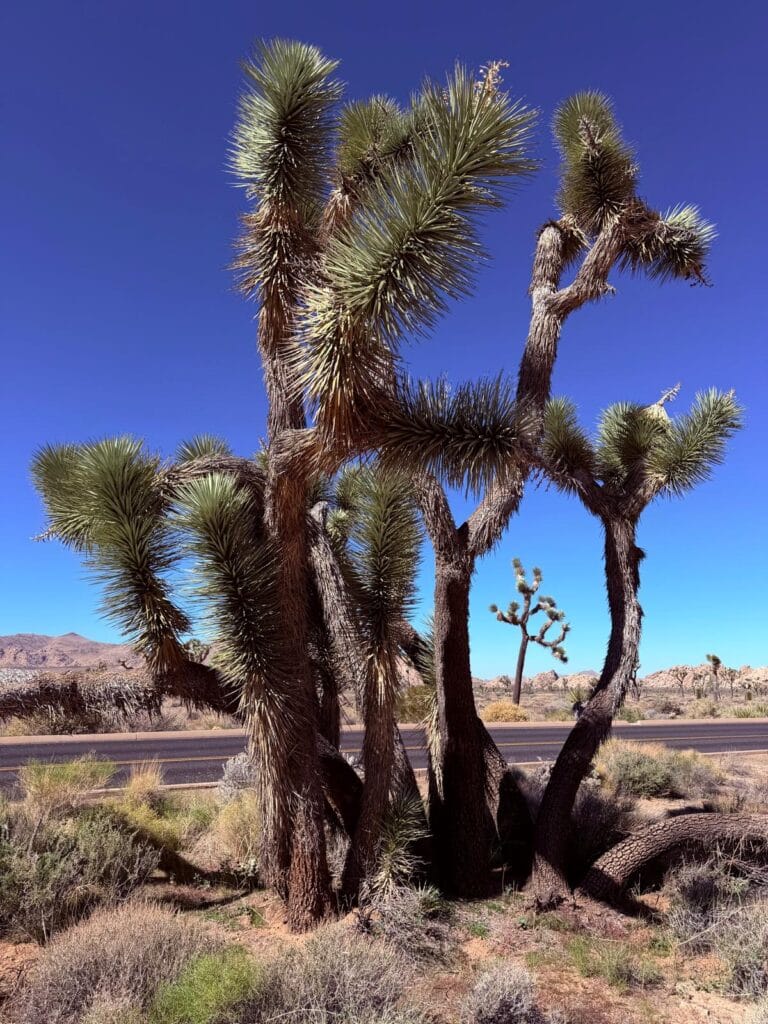
Joshua trees only grow naturally in the Mojave Desert, making this park one of the few places on Earth where you can see entire forests of them stretching across the horizon. Their surreal shapes and resilience perfectly capture the spirit of the desert. Wild, strange, and enduring.
I spent a full day exploring Joshua Tree from sunrise to sunset, driving from the West Entrance and exiting through the South (Cottonwood) Entrance. If you’re short on time, this Joshua Tree one day itinerary is the perfect way to experience the park. With its scenic driving route, short hikes, and plenty of photo stops, you can see all the major highlights without feeling rushed – making it an ideal day trip from Palm Springs or nearby desert towns.
Getting to Joshua Tree
If you’re coming from Palm Springs, it’s an easy 45-minute drive (about 40 miles) to the West Entrance Station, near the town of Joshua Tree. This is the most popular entry point and puts you right at the start of the park’s best hikes and photo spots.
There’s no gas inside the park, so fill up before you enter and bring plenty of water, especially during the warmer months. Cell service is limited, so download your maps offline in advance.
If you have extra time in Palm Springs, this San Andreas Fault Open-Air Jeep Tour is a fun way to explore the desert’s wild geology before or after your Joshua Tree visit.
Quick Tips
- Entrance Fee: $30 USD per vehicle (valid for 7 days)
- Best Time to Visit: October through April
– cooler temps and clearer skies - What to Bring: Water, hat, sunscreen, snacks, and layers (it gets chilly after dark)
- Photography Tip: Early morning and late afternoon offer the best light on the rocks and Joshua trees
- Zero Amenities: There are zero amenities once you’re in the park
– Be sure to fill up before hand, bring lots of water, and pack a picnic lunch
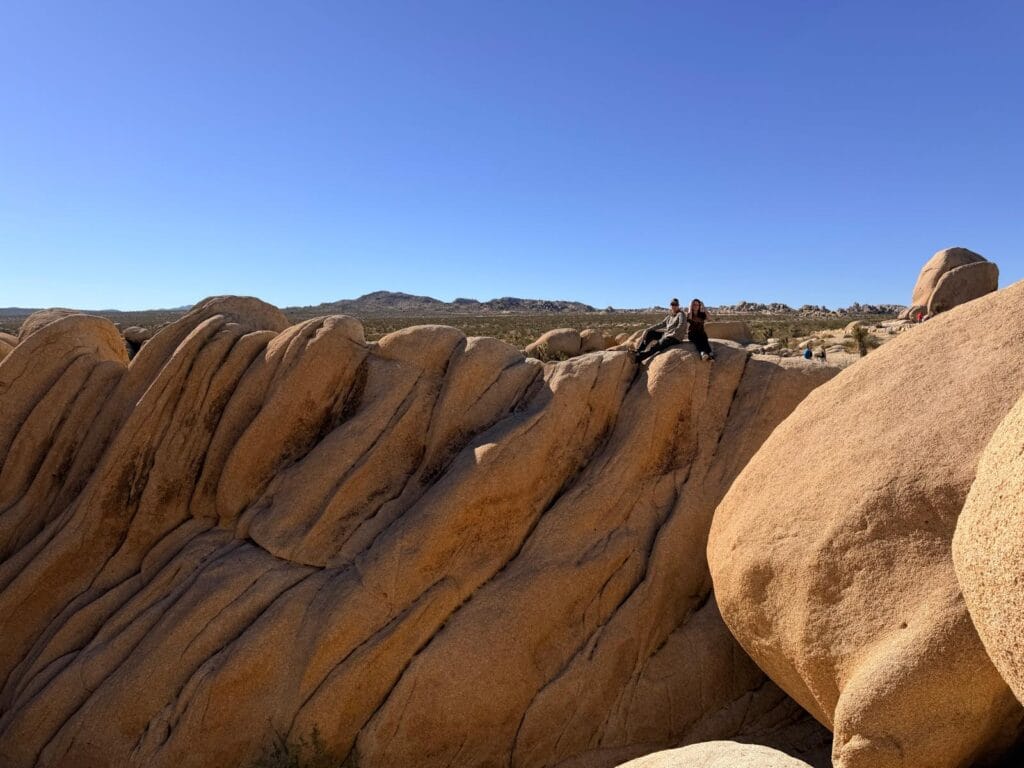
Fun Facts About Joshua Tree National Park
Joshua Trees’ only grow in the Mojave Desert. And they aren’t technically trees. They are actually a type of yucca plant, part of the agave family, and can live for hundreds of years
Joshua Tree has a UFO theme around it that comes from a mix of cultural, spiritual and historical roots. It is tied to how people have long perceived the area:
- The location and landscape feel otherwordly.
– Since it sits at the meeting point of two starkly different deserts, visiotrs have described it as “otherworldly,” which naturally lent itself to alien imagery and cosmic themes. - Long history of UFO sightings and spiritual gatherings.
– Since the 1950s, Joshua Tree has been a hotspot for UFO enthusiasts and spiritual seekers.
– The Integratron, a domed structure built near Landers (just north of the park), was created by a man who claimed aliens gave him its blueprints. It’s now used for sound baths and meditation but started as a UFO research site. - The area attracts creative, mystical, and counterculture communities.
– Artists, musicians, and mystics have long been drawn to Joshua Tree for its isolation and energy.
– The mix of desert mysticism, stargazing, and strange natural formations helped cement its “alien” aesthetic which you’ll see it reflected in local art, cafes, and souvenir shops. - The dark sky connection.
– Because the park is an International Dark Sky Area, the night sky views are phenomenal. People often joke that it’s so clear you could see aliens. That humor evolved into a full-blown desert identity.
Joshua Tree has more abandoned mines than you’d expect. There are over 300 old gold mines hidden in and around the park. The Lost Horse Mine is the best preserved if you’re willing to make the hike!
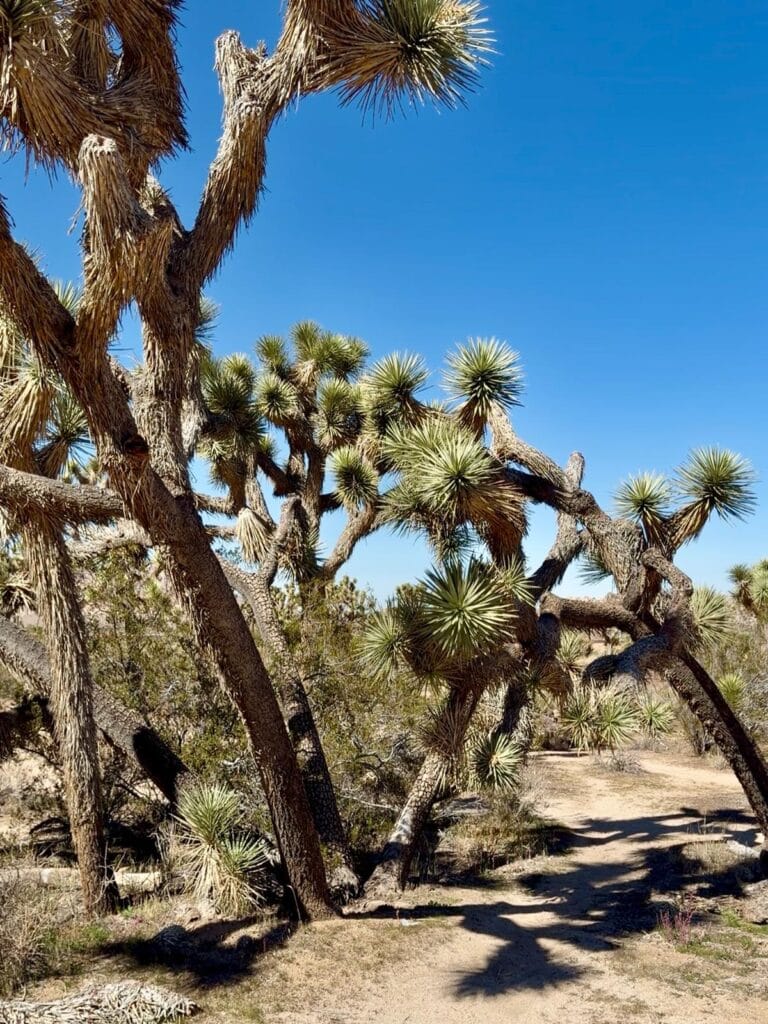
The Perfect One-Day Joshua Tree Route
Whether you’re visiting from Palm Springs or planning to camp inside the park, this one-day Joshua Tree itinerary covers all the major highlights. From the famous Skull Rock to the glowing Cholla Cactus Garden at sunset. Here’s how to make the most of your day in Joshua Tree!
Morning Of
Before you start your trip, make sure you’ve packed plenty of water and snacks for the day, there are no restaurants or shops inside the park. We picked up a charcuterie board before heading in and stopped for a mid-day picnic. it was the perfect snack break with a view.
Start your adventure by entering through the West Entrance, just past the charming town of Joshua Tree. It’s worth a quick stop to visit the Joshua Tree Visitor Center, grab a coffee at Joshua Tree Coffee Co., or browse a few local shops before heading into the desert.
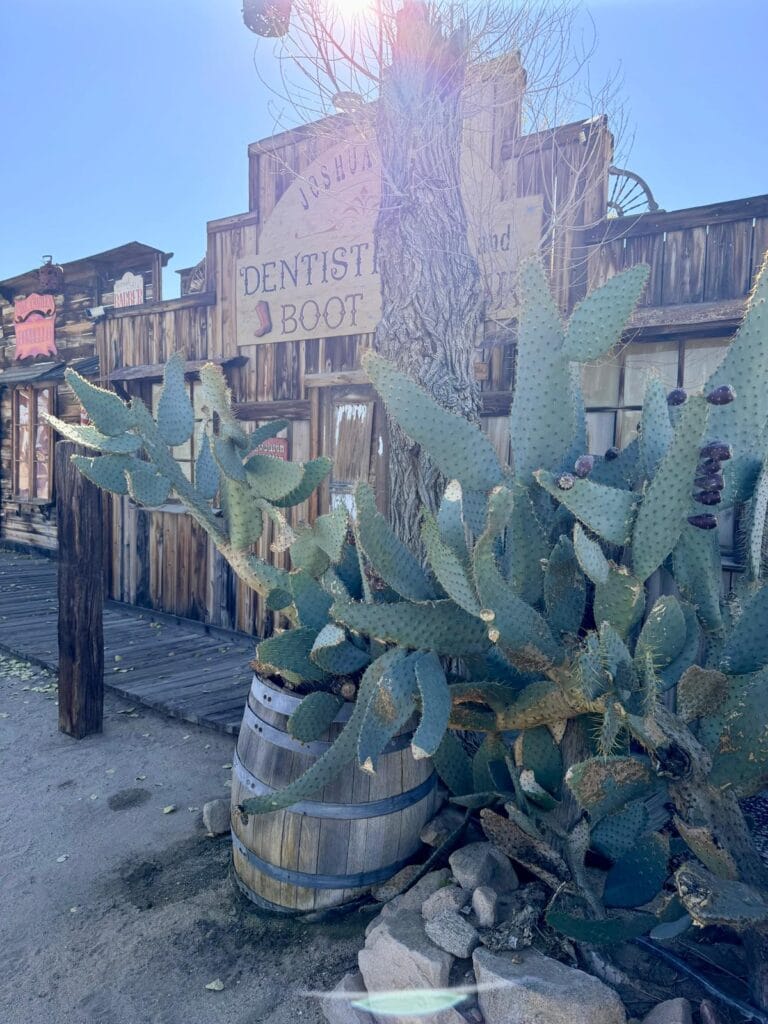
👽The town of Joshua Tree has some great souvenir shops with local art, desert-inspired jewelry, and vintage finds
Hidden Valley
Trail: 1-mile loop (easy, 30–45 min)
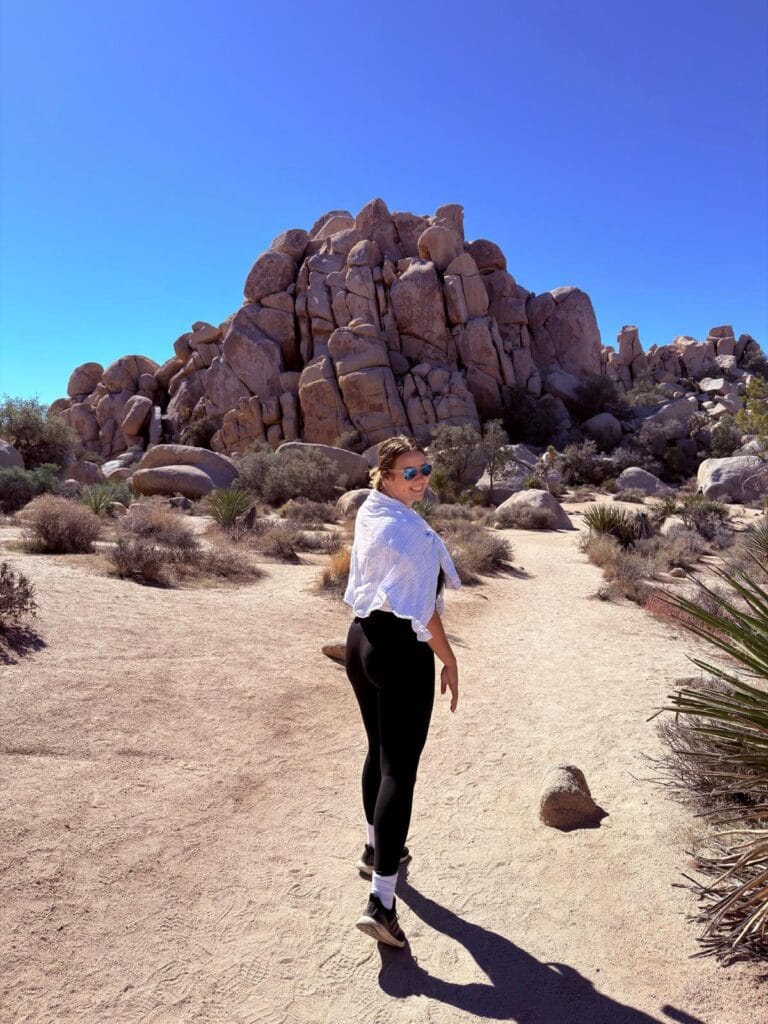
Start your day surrounded by the park’s most iconic scenery. The Hidden Valley Trail winds through massive boulders and clusters of Joshua trees, giving you a perfect first glimpse of what makes this park so unique. It was once rumored to be a hideout for cattle rustlers, who supposedly used the valley’s natural rock walls to conceal their herds.
This spot is also great for a mid-morning picnic. The Hidden Valley Picnic Area has shaded tables tucked among the rocks. Sit back and watch climbers tackle the nearby boulders, or try it yourself on a guided rock climbing or rappelling tour for an up-close look at Joshua Tree’s famous granite formations.
Barker Dam Trail
Trail: 1.1-mile loop, flat and scenic (easy, 45 min-1 hour)
This short trail leads to a historic dam built by early cattle ranchers and is one of the best places to spot wildlife. If there’s been rain, you might see reflections of the rocks and trees in the water, or even a few bighorn sheep in the distance.
Along the way, keep an eye out for a small alcove decorated with ancient petroglyphs. Spot rock carvings left by Indigenous peoples who once lived in this region. Although they’ve faded over time, they offer a fascinating glimpse into Joshua Tree’s early human history.
🐮Fun Fact: The dam was built in the early 1900s to store water for cattle, but today it helps support the park’s native species during dry months.
Cap Rock
Trail: 0.4-mile (easy, 15 min)
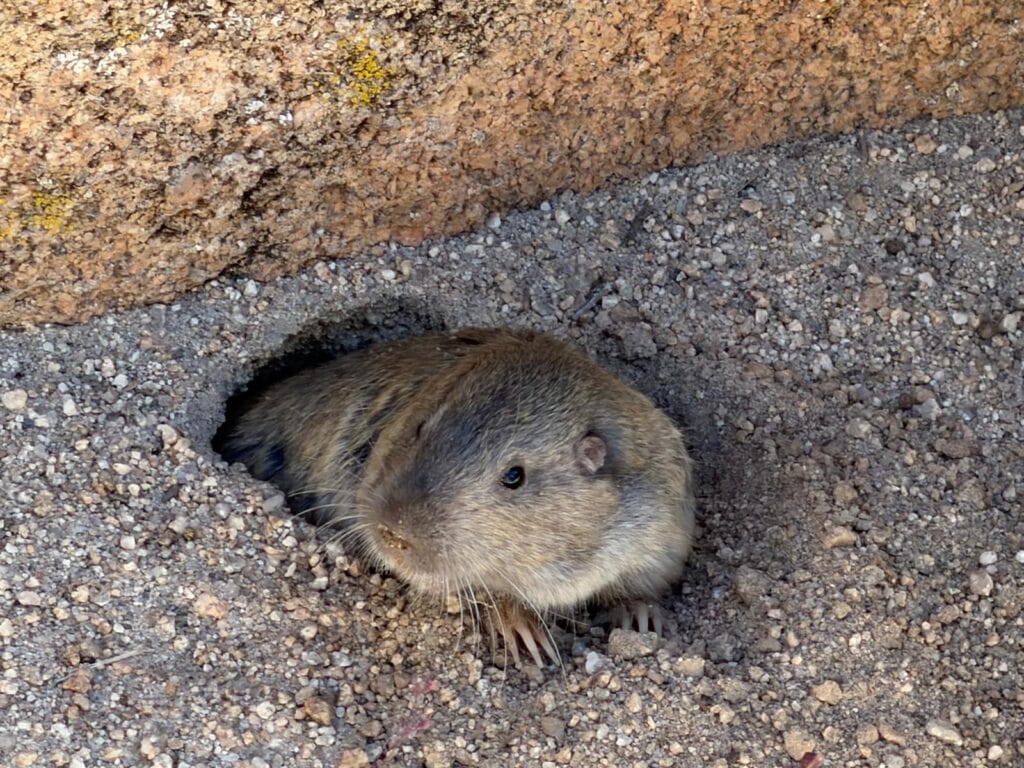
A quick roadside stop, Cap Rock is famous for its unique balanced boulder perched above a slab of granite – one of Joshua Tree’s most recognizable formations.
There’s a boulder near Cap Rock that locals call a singing rock. When the wind hits just right, it produces a low, eerie hum that sounds like it’s vibrating – almost musical.
🧺This is another good picnic stop if you skipped Hidden Valley earlier. There’s a small lot and plenty of space to sit on the rocks.
Keys View
Trail: 0.25 mile (25 ft elevation)
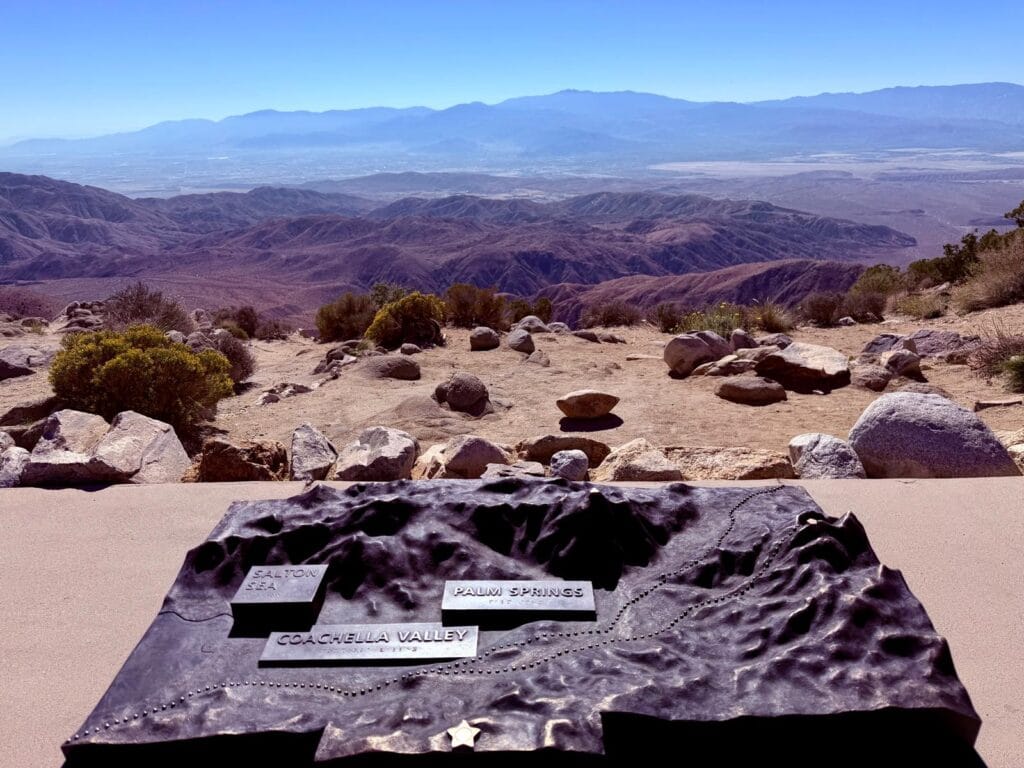
Take the 20-minute scenic drive up to Keys View. It’s a short, paved, steep path with sweeping panoramic views over the Coachella Valley and the San Andreas Fault.
It’s usually cooler and breezier up here, making it a refreshing midday stop. The overlook is also one of the best photo ops in the park, especially on clear days when you can see all the way to Mexico. Additionally, take a peak at Mt. San Gotonio, Mt. San Jacinto, and the Salton Sea.
Skull Rock & Jumbo Rocks Area
Trail: 1.7 miles (160 ft elevation)
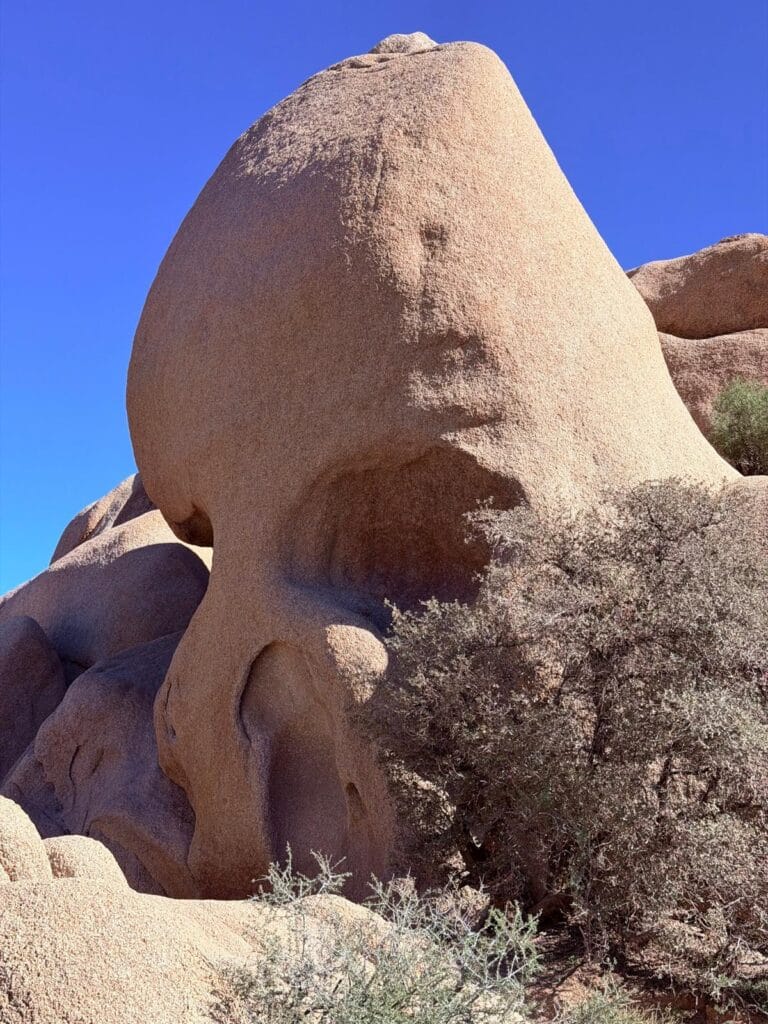
Located right off the main road, Skull Rock is one of the park’s most famous formations – a giant granite boulder shaped naturally like a skull. Park in one of the roadside pullouts and explore the 1.7-mile loop trail that weaves through the surrounding Jumbo Rocks area.
This area is a playground of massive boulders and Joshua trees, perfect for short scrambles, creative photos, or just stretching your legs.
💀If you want to skip the hike here, you can still stop and see skull rock right from the road!
Stand on the south side of the skull and you’ll for sure see the skull
Arch Rock
Trail: 0.5 miles each way (1 mile round trip)
Continue east to White Tank Campground, where you’ll find the trailhead for Arch Rock. See the Joshua Tree’s modest, natural arch that looks incredible against the afternoon sky.
It’s an easy, flat walk surrounded by sculpted rock formations. If you’re into photography, this is one of the park’s best spots for wide-angle or silhouette shots. Also a great spot to explore nearby rocks.
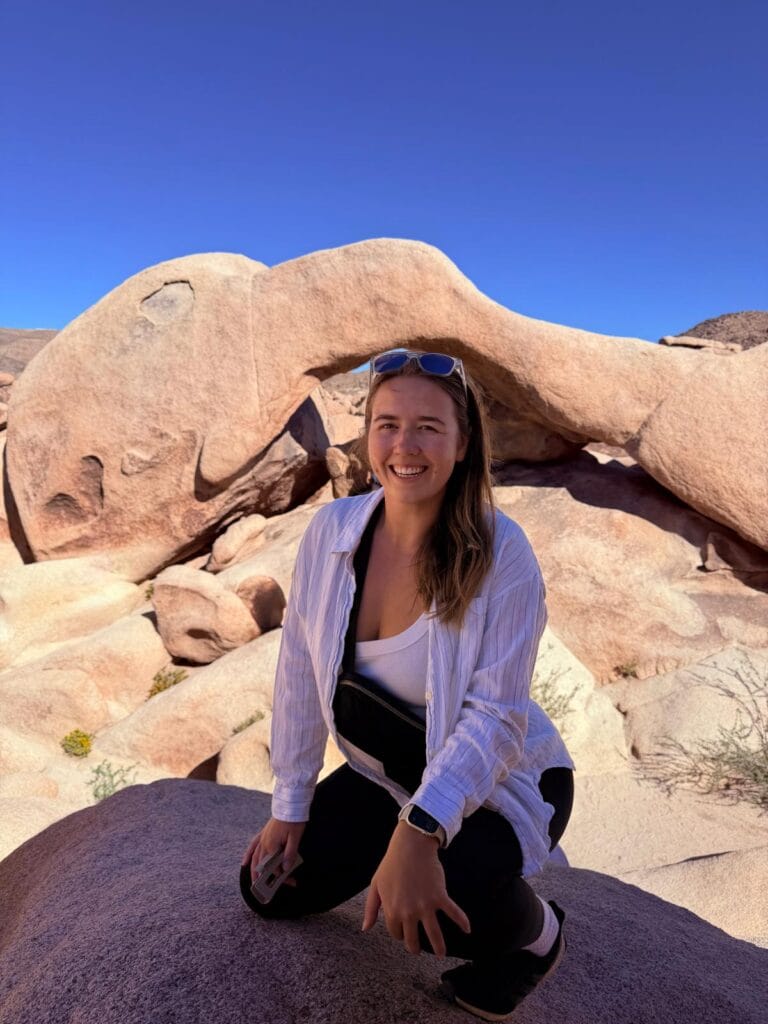
Heart Rock
Follow the side route that leads to this view of the heart-shaped rock.
Cholla Cactus Garden
Trail: 0.25 miles (easy, flat, 15 min)
As you continue south toward the Cottonwood Entrance, you’ll reach the Cholla Cactus Garden. A surreal landscape filled with thousands of fuzzy-looking “teddy bear” chollas.
Walk the short loop trail and stay through golden hour. The sunlight makes the cactus spines glow in shades of gold and amber, easily one of the most magical moments in the park.
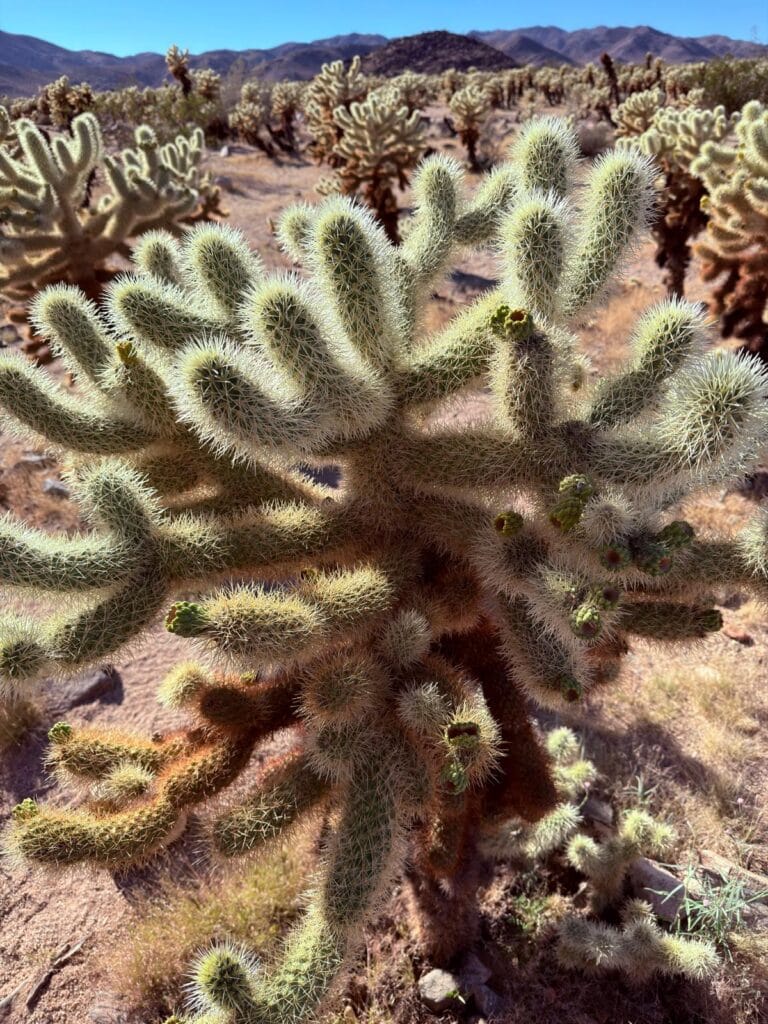
🧸Despite their soft appearance, cholla cactus spines are barbed and can stick easily to skin or clothing. Wear closed-toe shoes and admire from a distance!
Exit via Cottonwood/South Entrance
As the sun sets, drive south to exit the park via the Cottonwood Entrance, which connects back to I-10 for an easy return to Palm Springs (about 1 hour and 15 minutes).
Where to Stay Near Joshua Tree
If you’re visiting for just one day, Palm Springs or Yucca Valley make great home bases, offering stylish hotels, Airbnbs, and plenty of restaurants.
After sunset, Joshua Tree transforms again. The park is designated as an International Dark Sky Park, meaning light pollution is minimal and the night sky is incredible. On a clear evening, you can see the Milky Way arching overhead. If you want to experience the desert under the stars, consider camping inside the park. Popular campgrounds include Hidden Valley, Jumbo Rocks, and White Tank. They all offer incredible night skies and quick access to trails.
⛺Campsites often book months in advance, especially on weekends and during spring. Make reservations through Recreation.gov as early as possible, or check out the first-come first-serve sites
If you’re staying the night, consider joining a Joshua Tree Dark Sky & Sound Bath Experience – a meditative evening under the stars with music and intention setting.
Final Thoughts
Following this one day Joshua Tree itinerary, you’ll experience the park’s full range of desert wonders. Witness the iconic Joshua trees to the golden cholla gardens glowing in the late-day light.
