Guatemala really surpassed all my expectations and has become one of my favourite places I’ve ever travelled. With its ancient ruins, volcanic peaks, shimmering lakes, and colourful colonial streets, it truly has something for everyone. In less than two weeks, you can explore misty jungles near the Belize border, hike to remote Mayan cities, relax on the shores of Lake Atitlán, and even spend a night on a volcano – falling asleep to the glow of lava under the night sky. It really is a magical place, full of history and tradition.
This itinerary follows my own 12-day journey starting in Guatemala City, but be warned, it’s extremely jam-packed. It’s adventure-filled, and you’ll cover a lot of ground, including:
- Travelling immediately to the north to wander the island town of Flores
- Hiking the legendary El Mirador trail
- Exploring the towering temples of Tikal
- Slowing down in Lake Atitlán
- And finally hiking the unforgettable Acatenango Volcano
It was a packed trip, but we wanted to see as much as possible. If you prefer a slower pace, check out my Guatemala Highlights: Best Attractions, Adventures & Hidden Gems post. If you’re ready for a full-on adventure, keep reading for my day-by-day guide.
- Best Time to Travel to Guatemala
- Getting Around in Guatemala
- Safety in Guatemala
- Getting to Guatemala
- Itinerary Map – Our 12-Day Guatemala Route
- Day 1: Arrive in Guatemala City, Fly to Flores, and Explore the Island
- Hiking The El Mirador Trek
- Day 2: El Mirador Trek Begins
- Day 3: El Mirador Hike – Day 2
- Day 4: Exploring El Mirador – Day 3
- Day 5: Helicopter Out of El Mirador & Exploring the Ruins of Tikal
- Day 6 – Travel to Lake Atitlán
- Day 7 – Exploring Lake Atitlán
- Day 8: Antigua
- Day 9: Hiking Acatenango Volcano
- Day 10: Antigua
- Day 11: Travel Home
- Final Thoughts on Guatemala
Best Time to Travel to Guatemala
Guatemala has two main seasons, the dry season from November to April, and the rainy season from May to October. The dry season is generally the most popular time to visit, with sunny days, cooler evenings, and clearer views for hikes and volcano treks. The rainy season brings an average of 310 mm of rain per month. This leads to lush green landscapes, fewer tourists, and lower prices, but expect daily afternoon showers, especially in the highlands.
We travelled at the very start of the dry season, landing in Guatemala City on November 14. Normally, this time of year means blue skies and warm days… but thanks to a hurricane moving through the region, we had more rain than expected. It didn’t ruin our trip at all, we just made sure to pack lightweight rain jackets and waterproof shoes, and honestly, the moody clouds made some of our photos even more dramatic.
☂️Pro tip: Even in the dry season, weather in Guatemala’s mountains and volcanoes can be unpredictable. Pack layers, a rain jacket, and quick-dry clothing. For hikes like Acatenango or El Mirador, warm gear is essential – night temperatures at high elevation can drop close to freezing.
Getting Around in Guatemala
Guatemala is surprisingly easy to explore, with plenty of flexible transportation options. We rented a car, but I’ve included some other options as well.
Renting a Car
Josh and I opted to rent a car since we were on a tight schedule and comfortable behind the wheel. I’ll admit, it’s not for everyone. Make sure you research road conditions before heading out, especially if you’re not used to mountainous roads. And be sure to get a 4×4 vehicle is staying in remote areas or if travelling in the wet season, you’ll need it!
Shared or Private Shuttles and Vans
Private shuttles are everywhere, just hop into any Guatemala travel Facebook group, and you’ll see them popping up. Most hotels/hostels will offer private shuttles as well if needed.
Shared shuttles are also very popular in Guatemala and decently priced out. If you’re not strapped for time these are a great option! A couple companies that I would recommend are Adrenalina Tours and GuatGo. Both these were very popular amongst backpackers!
🚐 Book shuttles at least a day in advance during the high season, especially for routes to popular destinations like Antigua, Lake Atitlán, and Flores. Plus, many companies take WhatsApp bookings, making booking easy!
Buses
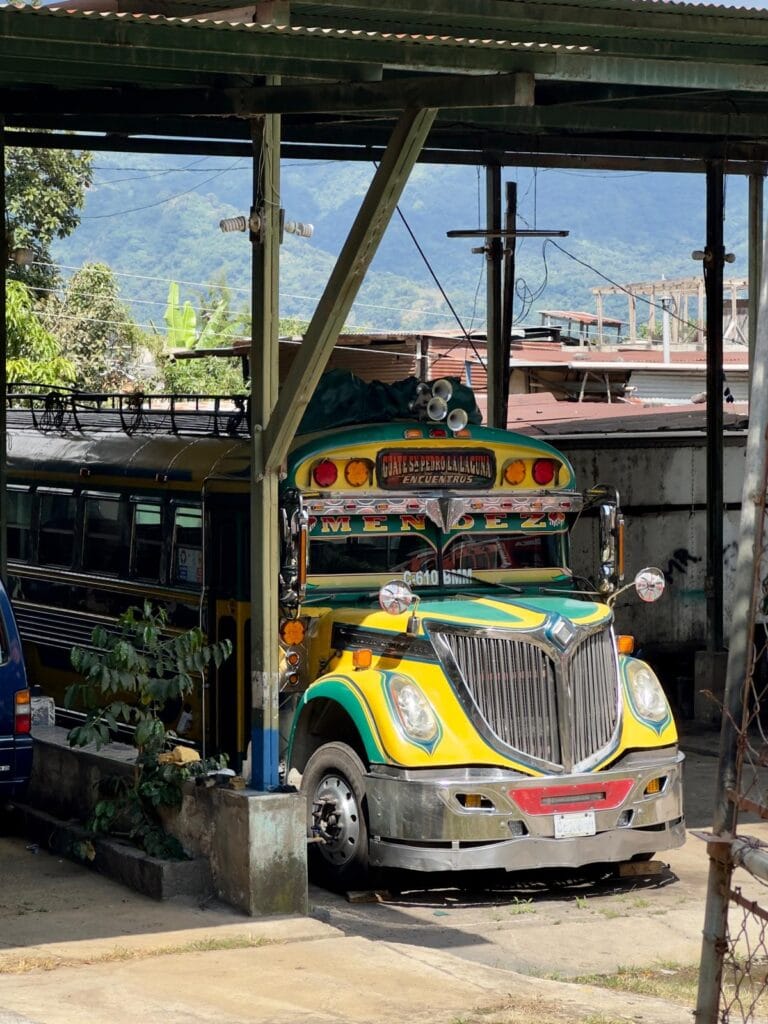
Guatemala also has a lot of buses, called ‘Chicken Buses‘ that you will see speeding around the streets. They are converted school buses painted in wild colours and lights. They’re the cheapest way to get around; however, I would not recommend this mode of transportation. They are extremely crowded and don’t have any seatbelts or amenities. Use with caution and make sure you’re Spanish is up to date!
Flying
If you’re short on time, flying can save you a full day of overland travel. TAG Airlines and Avianca operate daily flights between Guatemala City and Flores. Flight time is about an hour, and prices usually range from $50–$110 CAD one way, depending on the season and how early you book.
✈️Pro tip: Book morning flights when possible. Afternoon flights are more prone to delays due to weather, especially in the rainy season.
Safety in Guatemala
Safety is one of the first questions people ask when planning a trip to Guatemala. Before we went, I read a lot of mixed reviews on government websites and wasn’t sure what to expect, but during our 12 days, we felt extremely safe in all the areas we travelled.
That said, Guatemala does have areas where you’ll want to be extra cautious. I wouldn’t recommend walking around Guatemala City at night, and we always mindful with our valuables, avoiding flashy jewelry and keeping things simple.
For us, the biggest safety considerations were common-sense ones:
- Sticking to recommended routes for hikes like Acatenango and El Mirador
- Using ATMs inside banks rather than on the street
- Not flashing phones or cameras in crowded areas
- Booking shuttles through trusted companies on WhatsApp
Overall, we had an extremely positive experience. The locals we met were warm, welcoming, and helpful, and as long as you travel smart and don’t go looking for trouble, you shouldn’t have any issues.
Getting to Guatemala
Most international travelers will arrive through La Aurora International Airport (GUA) in Guatemala City. This is the country’s main hub, with direct flights from cities across North America, Central America, and parts of Europe. A few adventurous travelers also cross into Guatemala overland from Mexico or Belize, but flying into Guatemala City is by far the easiest option.
Pro Tip: Use Bounce to Store Your Bags
If you arrive before your accommodation check-in time (especially after an early flight into GUA), I highly recommend using Bounce. It’s a super handy app that helps you find safe, affordable luggage storage near transit stations, cafes, or hotels.
I use it all the time when I land early or have a few hours to explore before check-in. It’s available in most major cities worldwide, and it’s been a game changer for making the most of my arrival days!
✨Bonus: You can book and pay right through the app, so there’s no hassle when you get there.
Book luggage storage with Bounce →
Itinerary Map – Our 12-Day Guatemala Route
Want to visualize the full route? Here’s a custom map highlighting all the major stops from this 12-day Guatemala itinerary. From ancient Mayan temples to active volcanoes and vibrant city sites. You can zoom in, click each pin for a quick description, and even save the map to use during your trip..
Day 1: Arrive in Guatemala City, Fly to Flores, and Explore the Island
Arriving in Guatemala City
Welcome to Guatemala! If you land in Guatemala City, you’ll be greeted by views of towering volcanoes on the horizon. Most international flights arrive here, since it’s the country’s capital today – but fun fact, this wasn’t always the case. Guatemala has actually had three different capitals over its history. The first was in Ciudad Vieja, which was destroyed by a volcanic mudslide in 1541. The second was Antigua, but devastating earthquakes in 1773 led to its relocation. That’s when Guatemala City became the capital – and it still is today. You can still see the ruins of Antigua, and I definitely recommend exploring them later in your trip if you have time.
To kick off your journey, I recommend catching a quick domestic flight straight up to Flores. The flight is only about an hour, compared to 8–10 hours on a bus, and it gives you more time to enjoy the north of the country.
If you happen to have a longer layover in Guatemala City, like I did, there are some good ways to pass the time near the airport.
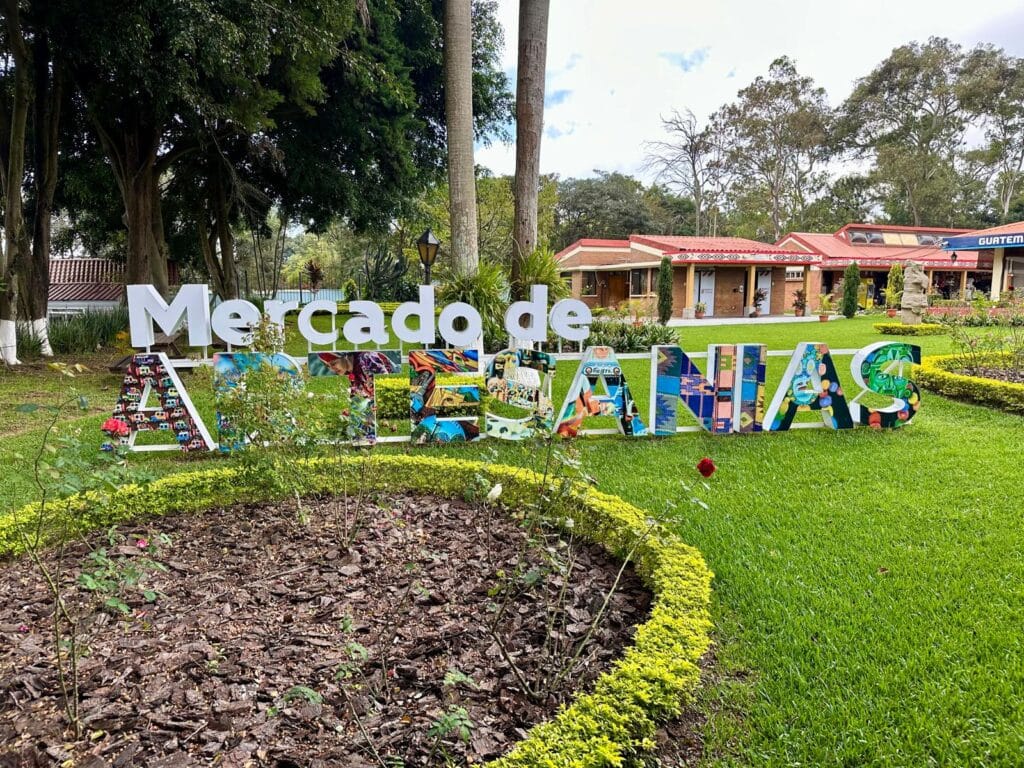
Mercado de Artesanías
I grabbed a local breakfast and walked over to Mercado de Artesanías, a colorful market filled with crafts and souvenirs. If you have a few extra hours, you could also check out Oakland Mall, Plaza España, the zoo, or restaurants in Zone 10.
Exploring Flores
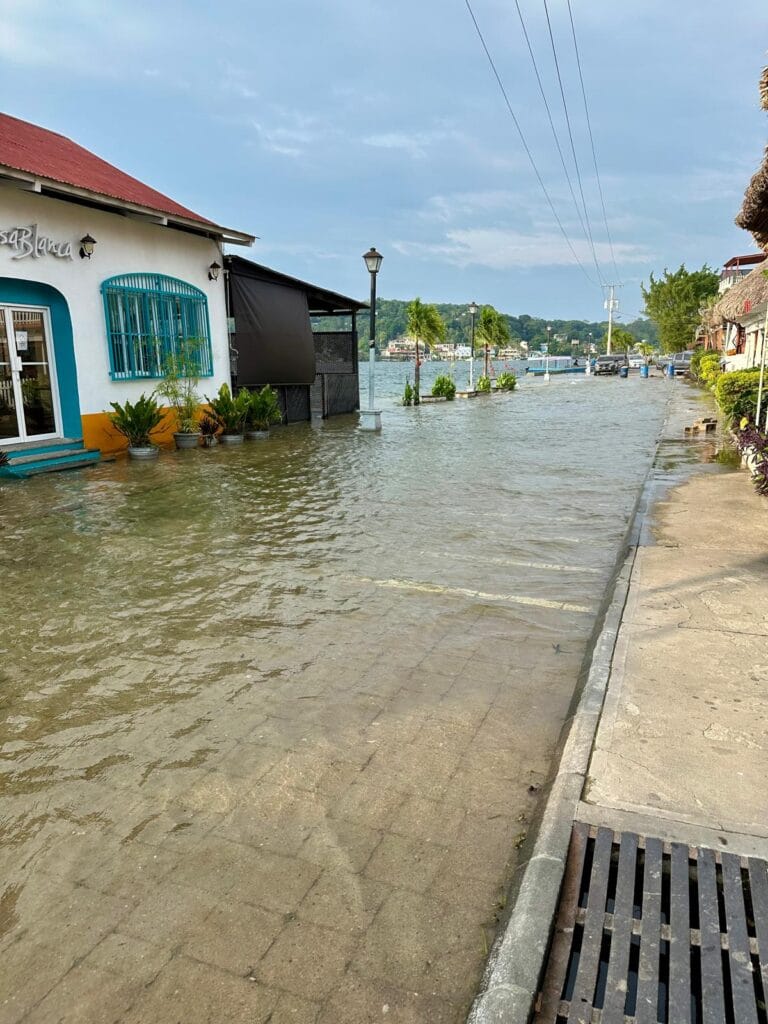
Once you arrive in Flores, drop your bags and start exploring! The island is small, walkable, and full of charm, though you can always hop in a tuk-tuk if you don’t feel like walking. We stayed at Hotel Santana, which was in a great location and budget-friendly. Our flight ended up being delayed, and with a hurricane passing through, parts of the town were flooded, but we still enjoyed wandering the colorful streets, visiting the waterfront market, and watching the sunset at Sky Bar. Another great rooftop bar to check out is Mangos.
If you have more time in Flores, I would recommend staying an extra day here. Some great options are:
- Take a boat tour of Lake Petén Itzá or go kayaking
- Hop a water taxi to Jorge’s Rope Swing
- Visit Arcas, a wildlife rescue and rehab center
- Book a day trip to Crater Azul, a natural jungle pool
Since we were starting the El Mirador trek the next morning, we kept things low-key with a debrief from our trekking company, some lakeside exploring, and an early sleep. If you’re doing the 4-day hike like we did, I highly recommend saving the nightlife for after – those early mornings come fast!
Hiking The El Mirador Trek
History of El Mirador
The El Mirador trek is one of the most unique adventures in Guatemala. The site is one of the most important archaeological sites in the entire Mayan world and the predecessor to Tikal. Dating back to around 600 BC, it’s considered the “Cradle of Maya Civilization” and was one of the first great cities to rise in the region. Many of the architectural styles and urban layouts later seen in Tikal actually originated here.
El Mirador is home to La Danta, the largest pyramid by volume in the world, and dozens of other monumental structures still buried beneath the jungle. Because it can only be reached by a multi-day trek or helicopter, visiting El Mirador feels like stepping back thousands of years, long before the crowds of Tikal.
Ways to Visit El Mirador:
- 5–6 day trek hiking in and out (the full experience).
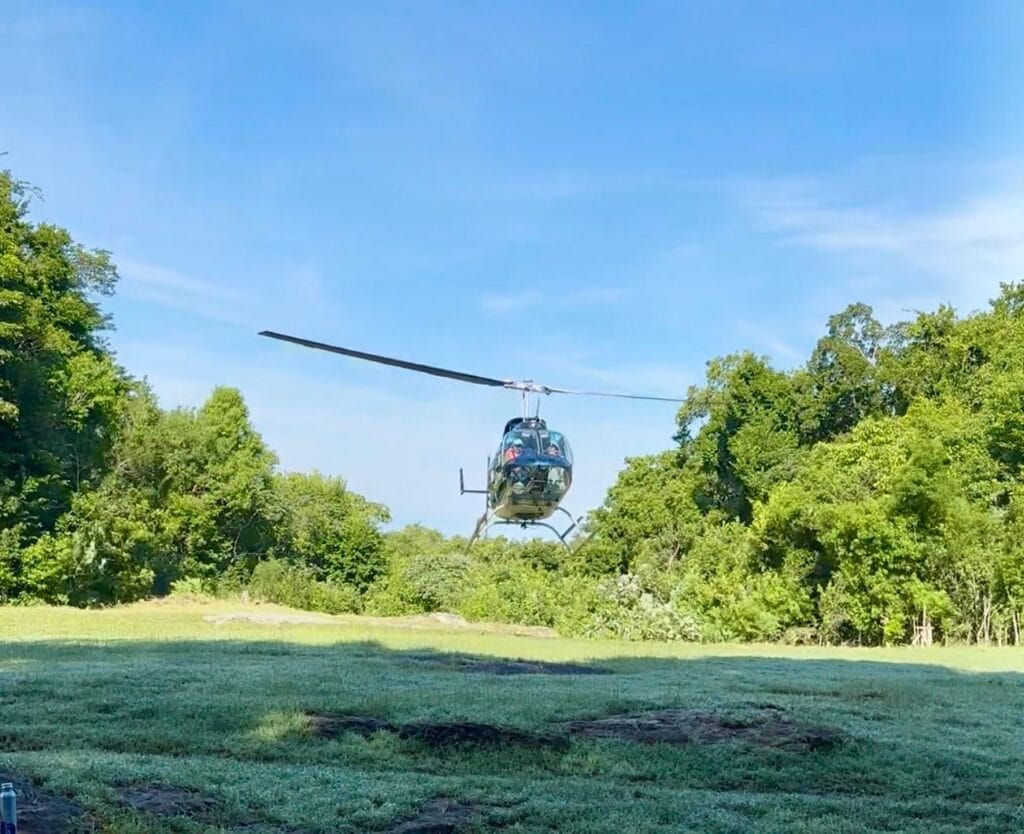
- 3-day trek hiking in, then flying out by helicopter (our choice).
- 1-day helicopter tour if you want to skip the hike completely.
We chose the 3-day version so we could experience the jungle trek in and still save time by flying out. It was the perfect mix of adventure and efficiency – and honestly, flying over the rainforest was unforgettable. We booked through Lokal Travel, who were fantastic. They even suggested adding a fourth night so we wouldn’t miss another sunset and sunrise at the ruins before flying back the next morning. They were extremely knowledgeable and accommodating!
Day 2: El Mirador Trek Begins
Hiking to Carmelita
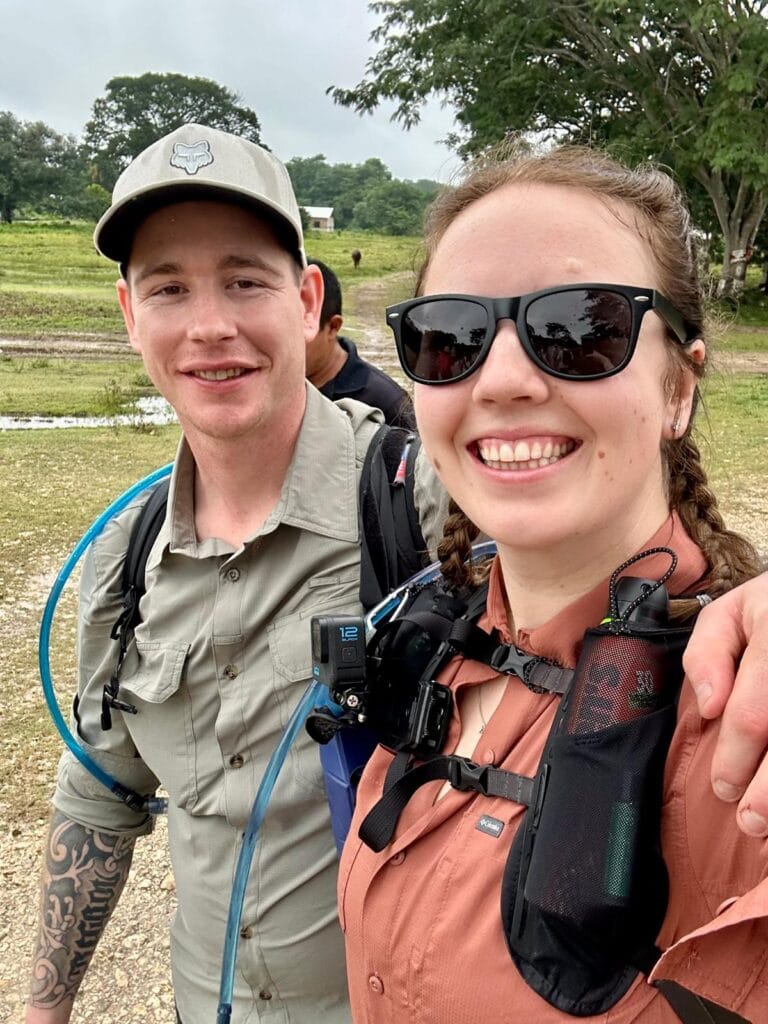
We started our trek bright and early, meeting our guide and group in Flores before driving up three hours north to Carmelita, the small community that manages all treks into El Mirador. From there, we began hiking into the rainforest.
Florida Camp
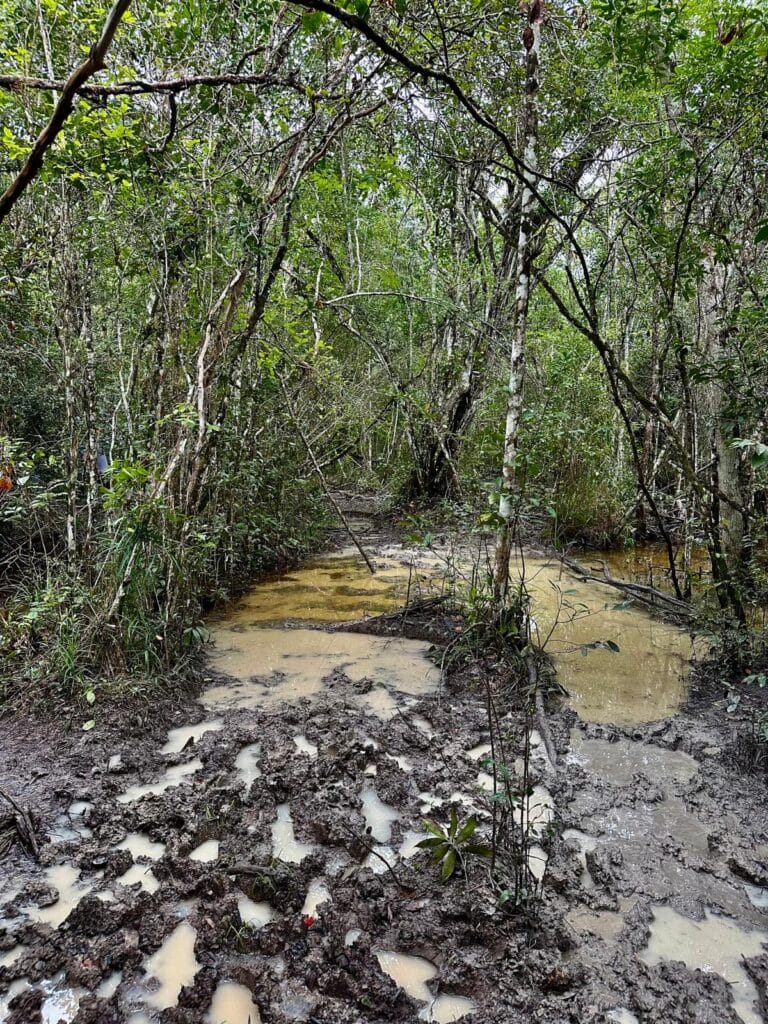
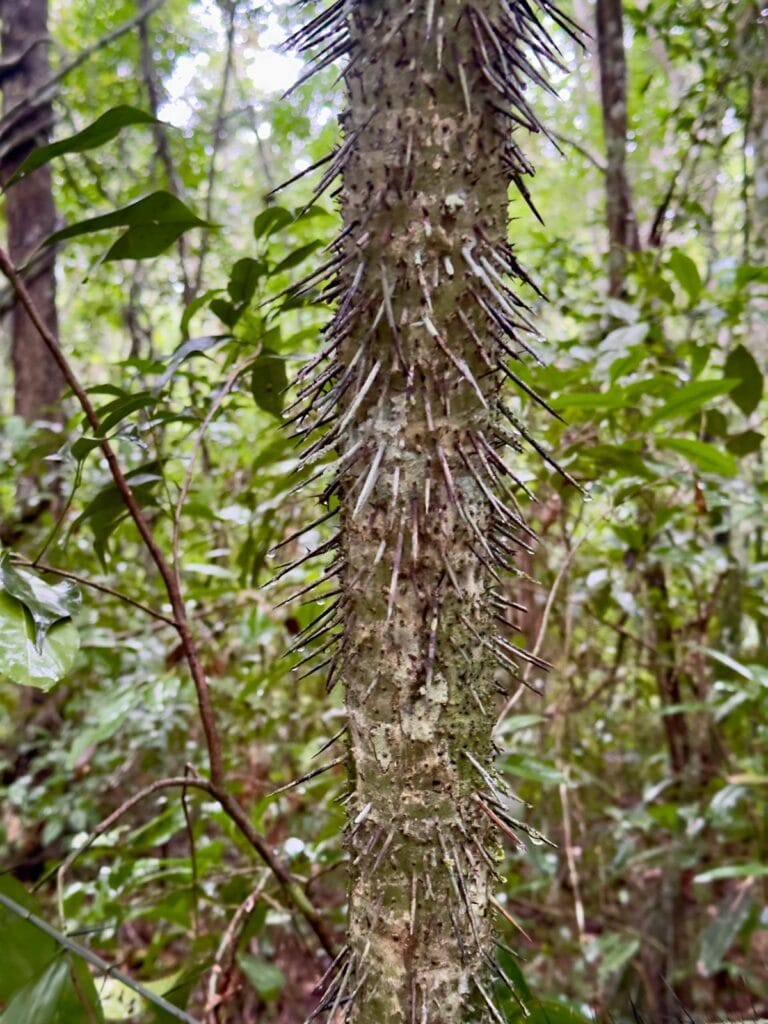
The first day was long, muddy, and completely unforgettable. We hiked 18.5 km, stopping for lunch at Florida Camp. At camp there was a small museum showcasing artifacts found in the area.
El Tintal
By late afternoon, we reached the archaeological site of El Tintal, our camp for the night. After a hearty dinner and some much-needed rest, we crawled into our tents, ready for another big day ahead.
Day 3: El Mirador Hike – Day 2
Hike to La Muerta
We woke up for a 6 AM breakfast and hit the trail by 7, breaking up the hike with a stop at the small archaeological site of La Muerta. The hurricane’s aftermath caught up with us today, torrential rain poured almost nonstop during the 27 km trek. At one point we even had to cross newly formed rivers. Conditions were tough, but our group’s spirits stayed high, and in a way, the wild weather made the rainforest feel even more alive. It felt like we truly got the full experience of the rainforest.
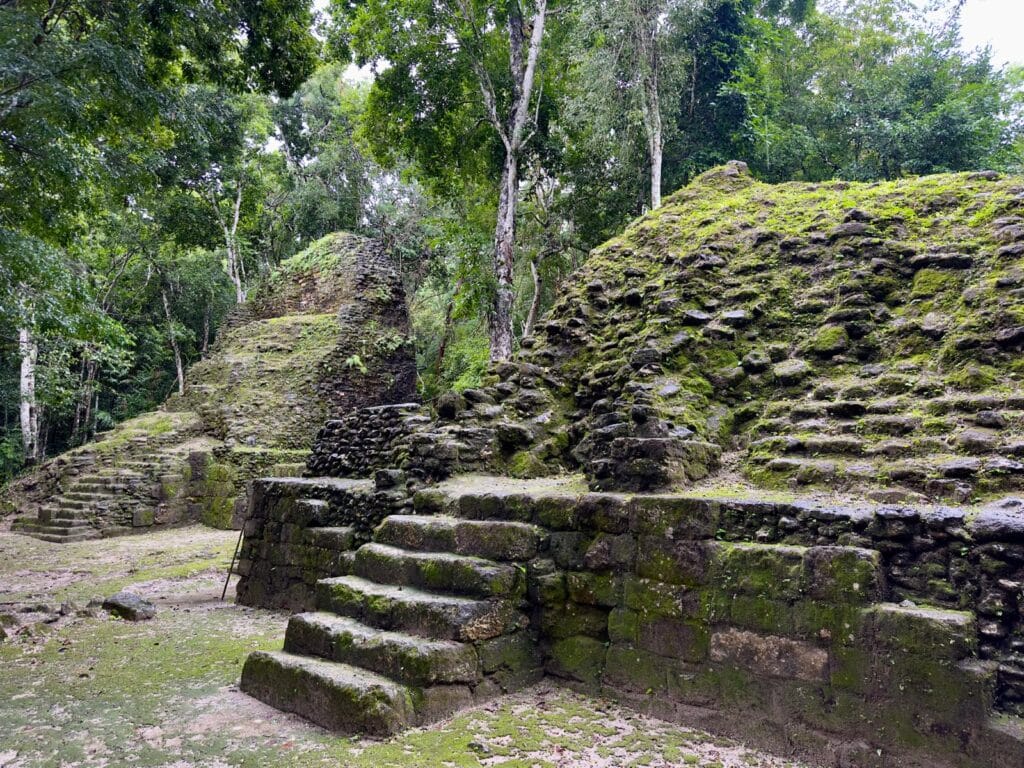
El Mirador
By late afternoon, we finally reached El Mirador. The sense of accomplishment was incredible – muddy, soaked, and proud of what we’d just pushed through. That night we ate a well-earned dinner, showered with captured stormwater, and settled into camp. We’d be staying here for two nights, which felt like a luxury after so much hiking and packing up.
The camp itself was full of life, with monkeys swinging overhead and wild turkeys strutting around. We ended the day playing a few rounds of “Guatemala Uno” before falling asleep to the sounds of the jungle.
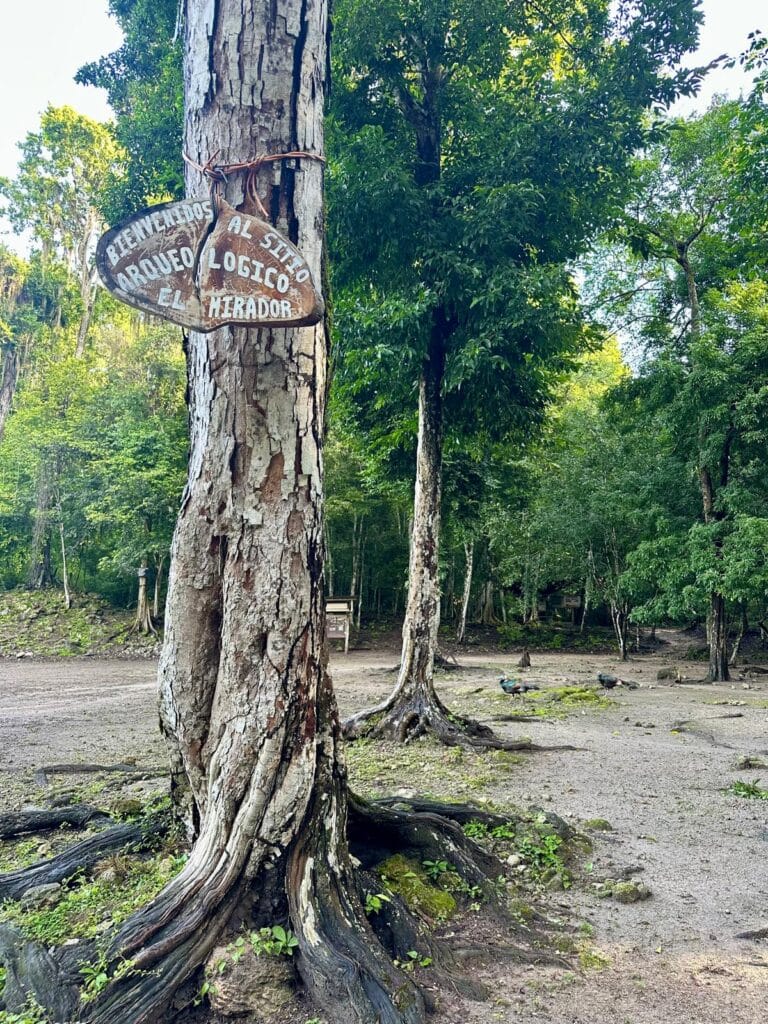
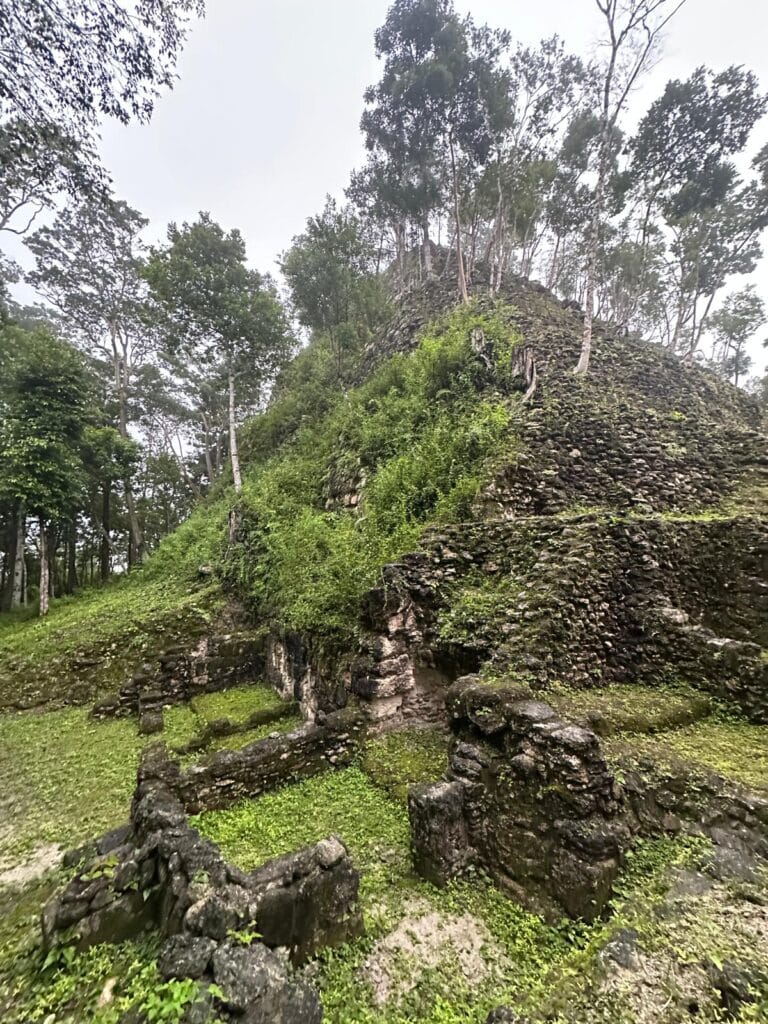
Day 4: Exploring El Mirador – Day 3
La Danta Pyramid
Today was all about exploring El Mirador! We woke up at 3 AM for a private sunrise hike up La Danta, one of the largest pyramids in the world. The clouds blocked most of the sunrise, but watching the massive pyramid emerge from the misty jungle and listening to the jungle become alive was unforgettable. Hearing the roars of the Howler Monkeys as the sun comes up was the coolest way to start the morning.
Back at camp we had breakfast before setting out to explore the rest of the site. El Mirador is absolutely huge, covering more than 20 square kilometers. Everywhere you look are mounds and pyramids, many still hidden beneath layers of jungle. Walking through the ruins felt like stepping into another world.
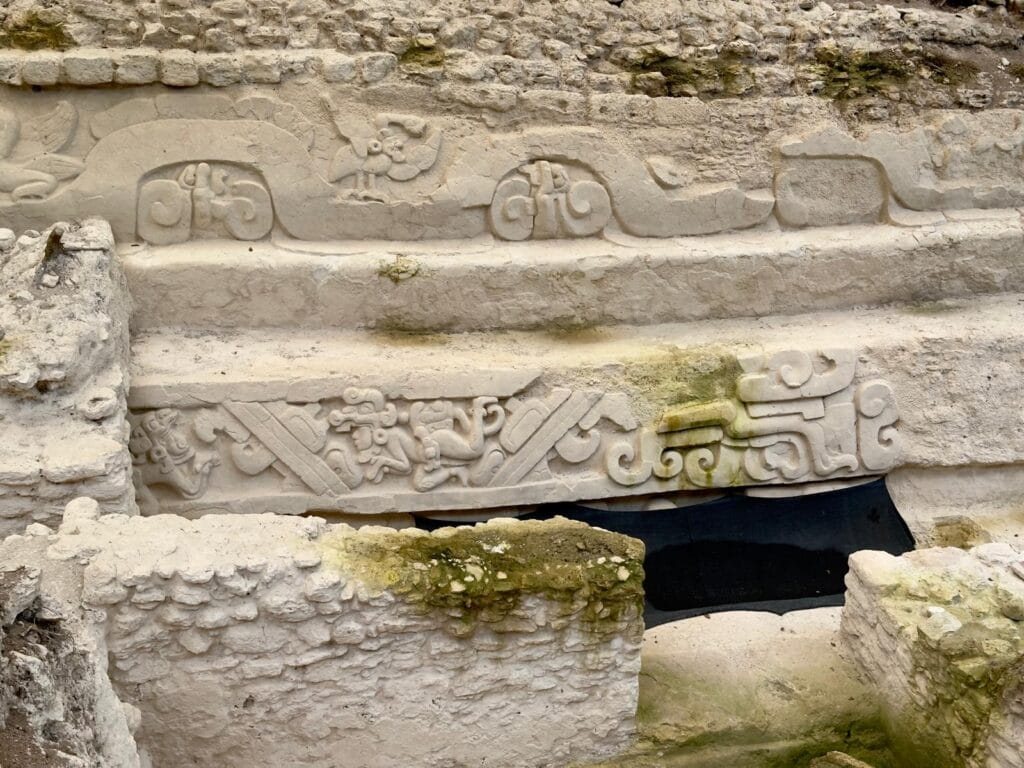
El Tigre Pyramid
We ended the day with another climb, this time up El Tigre pyramid, where we watched the sun set over the endless rainforest canopy. It was the perfect way to close out our time at El Mirador.
Day 5: Helicopter Out of El Mirador & Exploring the Ruins of Tikal
Sunrise hike: Jaguar Temple
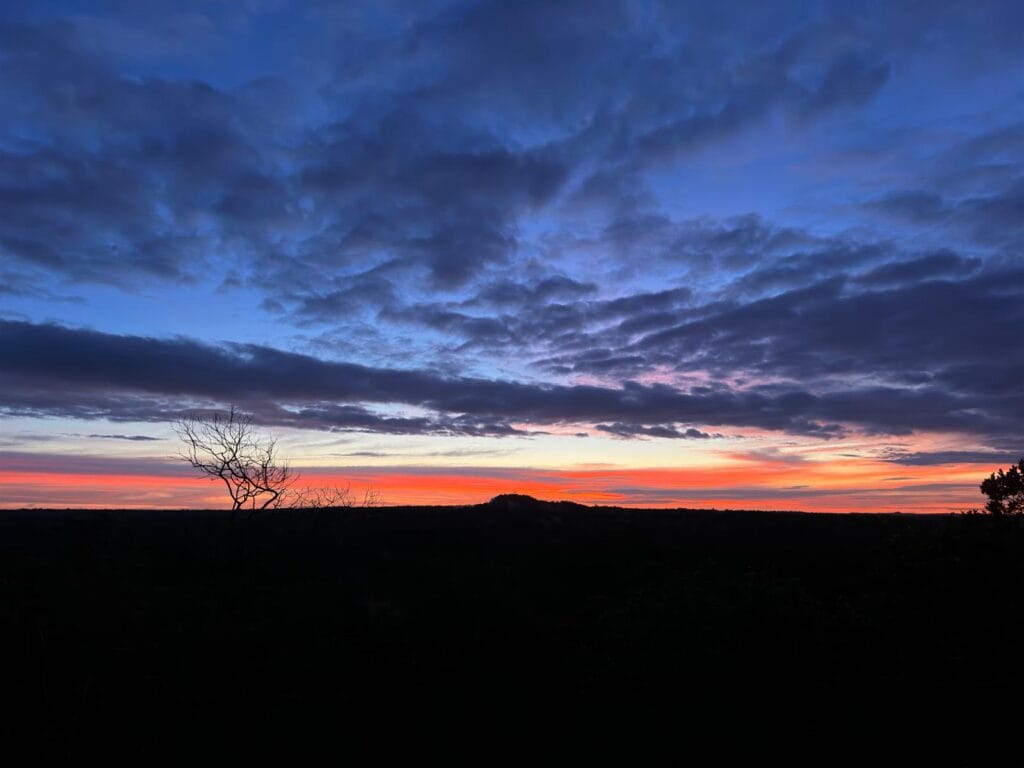
We started the morning with another private sunrise hike, this time up Garra de Jaguar (Jaguar Temple). Unlike the cloudy sunrise the day before, this one did not disappoint. Watching the sun spill across the jungle canopy to the sound of howler monkeys in the distance was pure magic.
Helicoptor out of El Mirador
After breakfast back at camp, we packed up and waited for our helicopter pick-up at 8 AM. Flying out over the rainforest was an experience I’ll never forget – seeing the endless jungle we had just trekked through, with ancient Mayan pyramids poking through the treetops, was breathtaking. It was the perfect ending to our El Mirador adventure.

Tikal
Back in Flores, we grabbed a tuk-tuk to the rental agency to pick up our first car of the trip. The drive to Tikal was straightforward, with smooth roads and no issues. We chose to rent a car because we weren’t sure about helicopter timing, but there are also excellent day tours from Flores if you prefer a guide. Here’s a great option on Get Your Guide that I’d recommend.
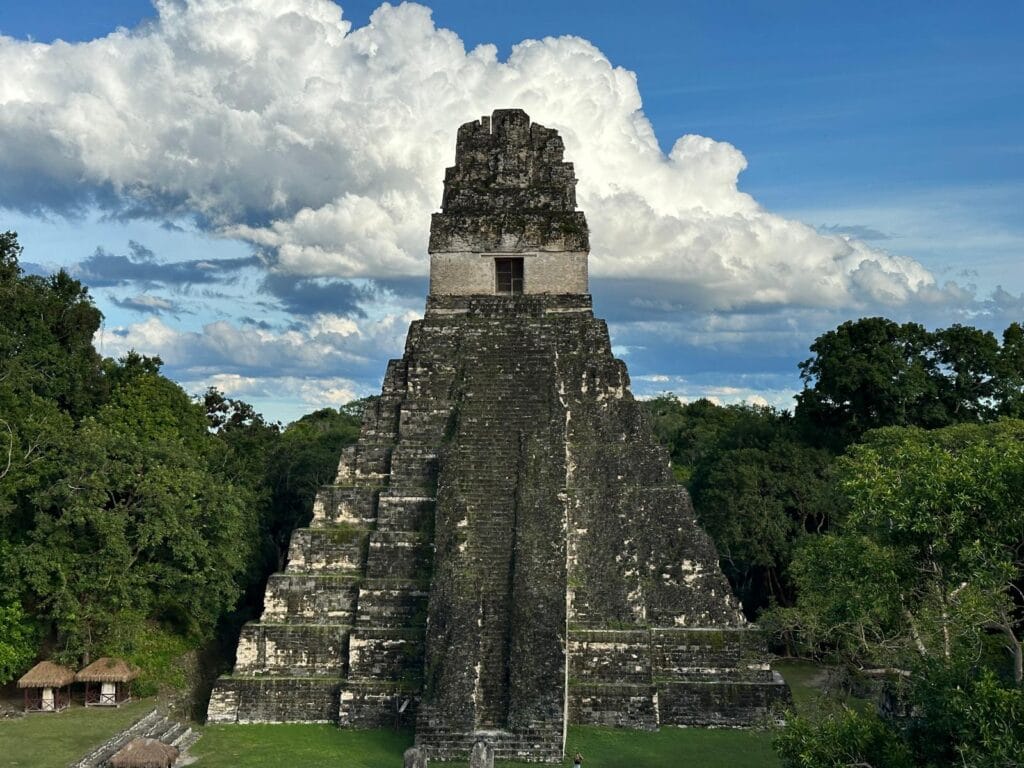
The rest of the day was spent exploring the legendary ruins of Tikal. This was a totally different experience than El Mirador, busier and more accessible, but just as incredible. Having a guide made a huge difference, adding context to the history and helping us understand what we were looking at.
Spending the Night in Tikal
We decided to stay right on the park grounds at Jungle Lodge, and it was an absolute treat after the trek. Our room came with a private hot tub outside, where we spent the evening listening to the jungle under the stars. After three days of hiking, it was the perfect balance of luxury and adventure.
Staying on the park grounds is such a unique experience, and there are a few different lodging options:
- Jungle Lodge Tikal – A more upscale stay, with beautiful rooms, a pool, and even private hot tubs in some suites. Perfect if you want a little luxury after days of trekking.
- Hotel Tikal Inn – A more budget-friendly option, simple but comfortable, with a pool and an unbeatable location inside the park.

Day 6 – Travel to Lake Atitlán
Fly from Flores to Guatemala City
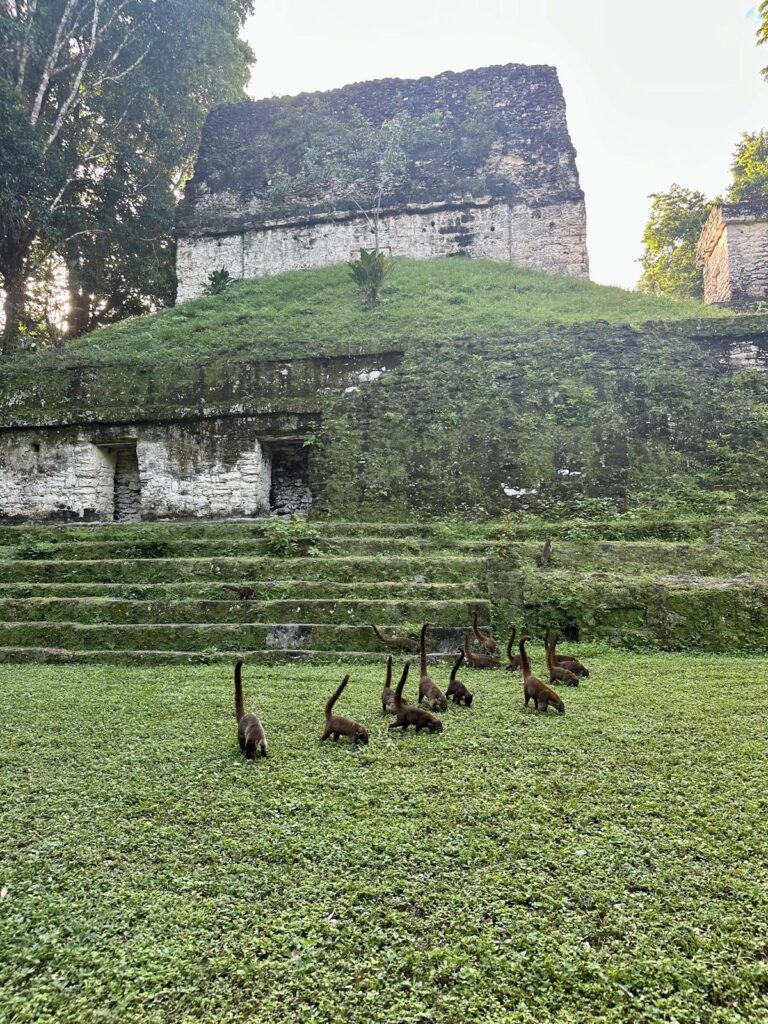
After a slower morning at the lodge, we headed back to Flores to catch a flight to Guatemala City. From there, we picked up our second rental car and drove straight to Lake Atitlán, ready to settle into the slower half of our trip.
Driving to Lake Atitlán
The drive to Lake Atitlán wasn’t quite as straightforward as the one to Tikal. Expect heavy traffic, lots of switchbacks, and tight corners – all while sharing the road with fast-moving chicken buses that don’t hesitate to take over the lane. If you choose to drive here, make sure you’re a confident driver and comfortable with mountain roads.
Staying in San Marcos
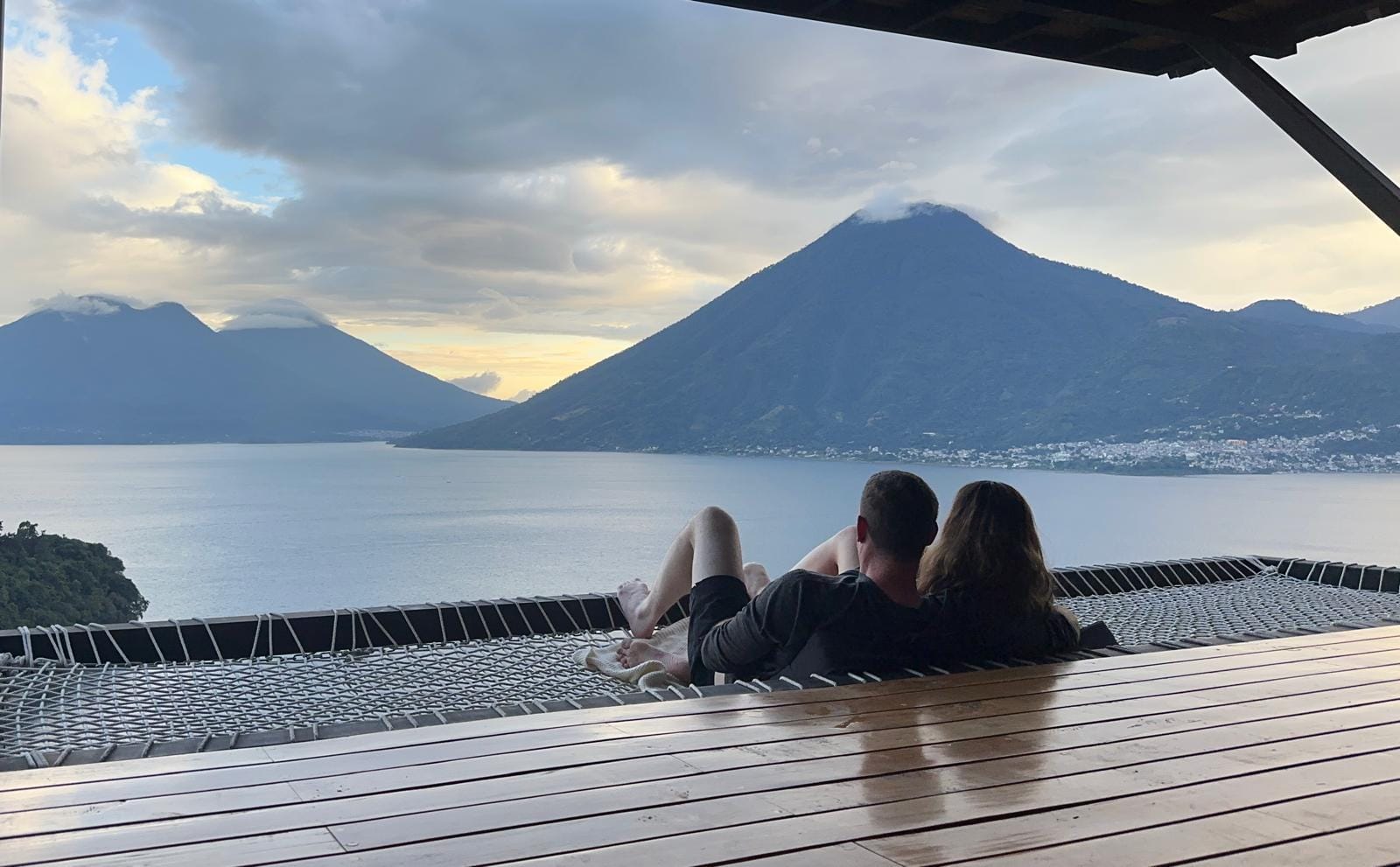
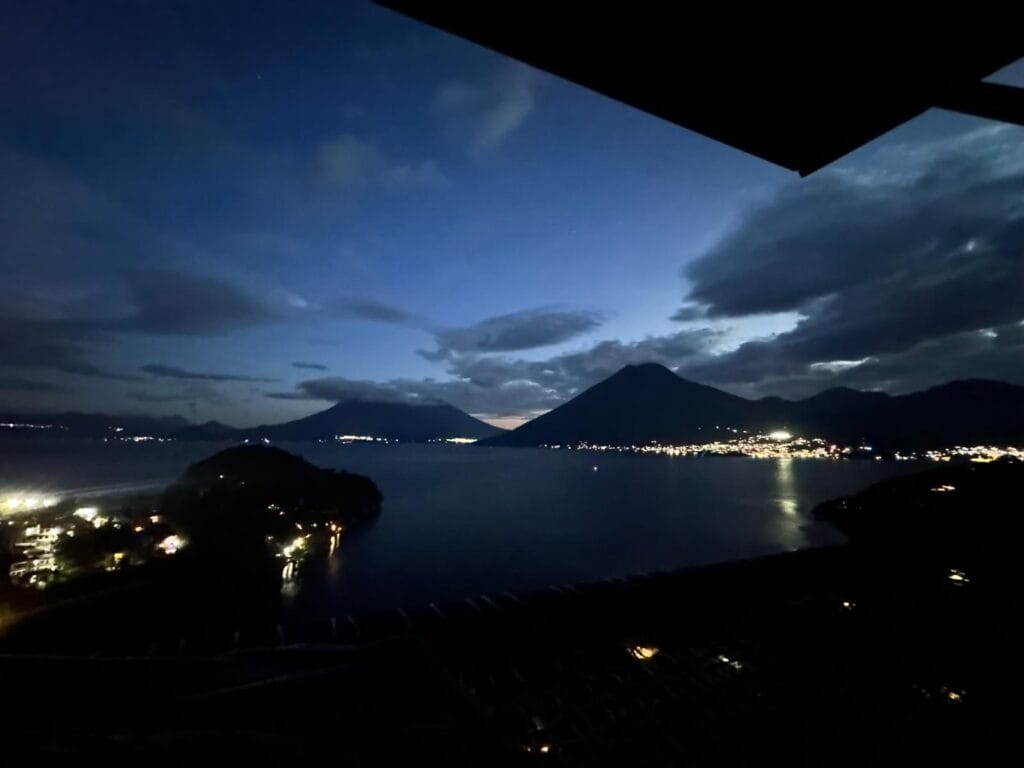
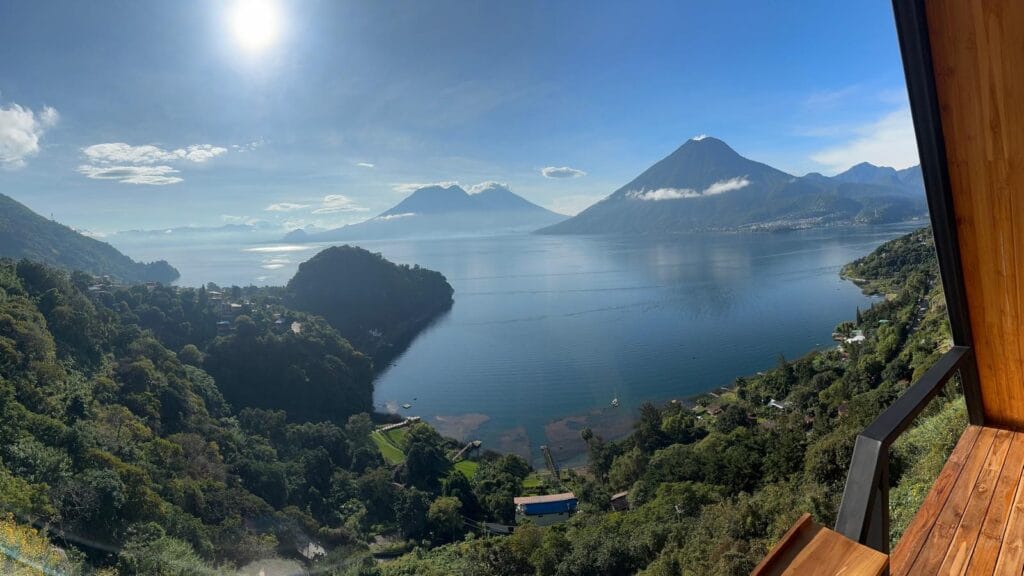
We based ourselves in San Marcos, a laid-back lakeside town known for its yoga studios, cafés, and relaxed vibe. Our Airbnb was incredible, tucked right into the hillside with views of the lake and volcanoes. After a long travel day, we kept things simple and spent the evening relaxing on our terrace, soaking up the peace and quiet.
Deciding where to stay around Lake Atitlán can be tricky – each town has its own unique character. I’ve written a separate post to help you choose the best one for your travel style if you’re unsure where to base yourself. Here is where we stayed in San Marcos and it was incredible, one of the best accommodations I’ve ever had!
Day 7 – Exploring Lake Atitlán
San Marcos
We started the morning wandering around San Marcos, popping into small shops and stalls. I actually thought this village had the best souvenirs and local goods around the lake, lots of handmade crafts and unique finds.
Village hopping
By late morning we hopped on a boat to explore some of the other lakeside villages. It’s super easy to get around by boat, just head down to the water and you can buy your ticket. Each town has its own character:
- San Juan – Known for its women’s weaving cooperatives and colorful street art.
- Santiago – The largest village, famous for its market and for being home to Maximon, a local folk saint.
- Panajachel – The most touristy hub, with plenty of restaurants, shops, and nightlife.
In the afternoon, we headed back to San Marcos and enjoyed a slow evening at our Airbnb. Watching the sun set over the lake and surrounding volcanoes from our terrace was pure magic.

Hike Indian Nose for Sunrise
If you’re up for an early morning adventure, the Indian Nose hike is one of the most popular things to do at Lake Atitlán. The hike itself is short but steep, and most tours start around 4 AM so you can reach the summit in time for sunrise. The views are unbelievable. The entire lake spreads out below you, framed by three volcanoes and often a blanket of mist. It’s an early wake-up call, but totally worth it if you want one of the best sunrise views in Guatemala.
Day 8: Antigua
Leaving Lake Atitlán
I was a little sad to leave Lake Atitlán behind, I absolutely loved the slow pace and relaxation, but excited for the next chapter of the trip – Antigua. We left early in the morning and made the drive into the highlands, arriving by midday.
Exploring Antigua
After checking into our hotel, we headed out to explore the cobblestone streets. Antigua has such a different vibe compared to Guatemala City, Flores, Tikal, and Lake Atitlán – colorful colonial buildings, volcano views, and a lively but relaxed atmosphere.
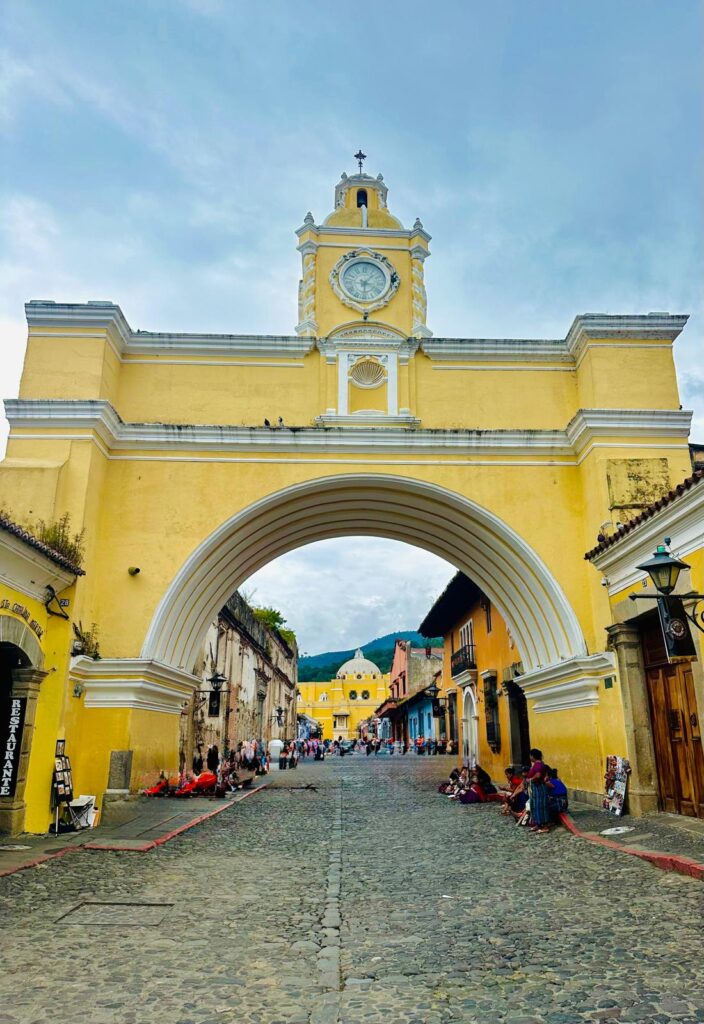
Santa Catalina Arch
We wandered past the famous Santa Catalina Arch, one of the most iconic landmarks in Guatemala. Built in the 17th century, the arch once connected a convent to a school so the nuns could cross the street without being seen. Today it’s one of the most photographed spots in the country.
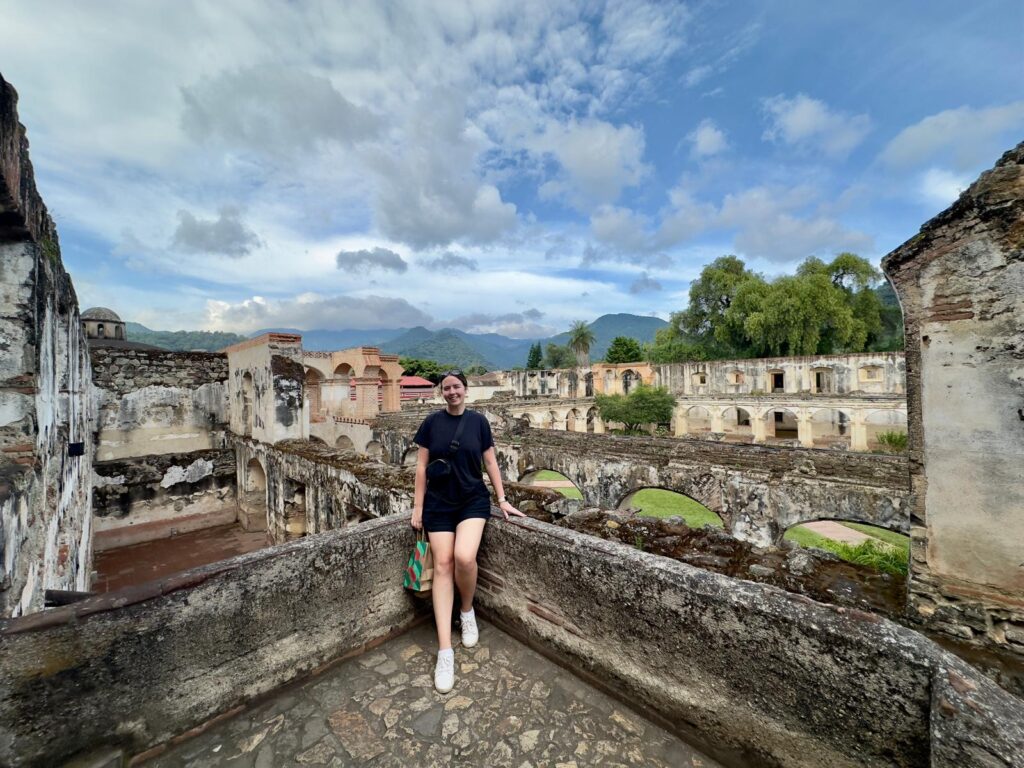
Ruins of Antigua Cathedral
Other highlights were visiting the ruins of Antigua Cathedral and stopping into the Church of La Merced, with its bright yellow Baroque façade. In between sightseeing we sampled some amazing local food, the city is packed with great restaurants and street eats.
Day 9: Hiking Acatenango Volcano
Starting the Trek
We kicked off the day at 7 AM, meeting our guides, grabbing breakfast, and getting our packs ready. We booked our tour through Wicho & Charlie’s. It was a little more expensive than some other companies, but worth it. They provided extra gear and warm clothes if you didn’t bring your own, and since they brought up our big packs, we only had to carry small daypacks with essentials. We picked up our full packs again for the last quarter of the hike.
Here is another tour through get your guide that has great reviews and is a great price point!
From there, we hopped on a bus for the one-hour ride to the base of Acatenango. The drive was a great way to see more of the countryside – rolling hills, mountain views, and little glimpses of daily Guatemalan life.
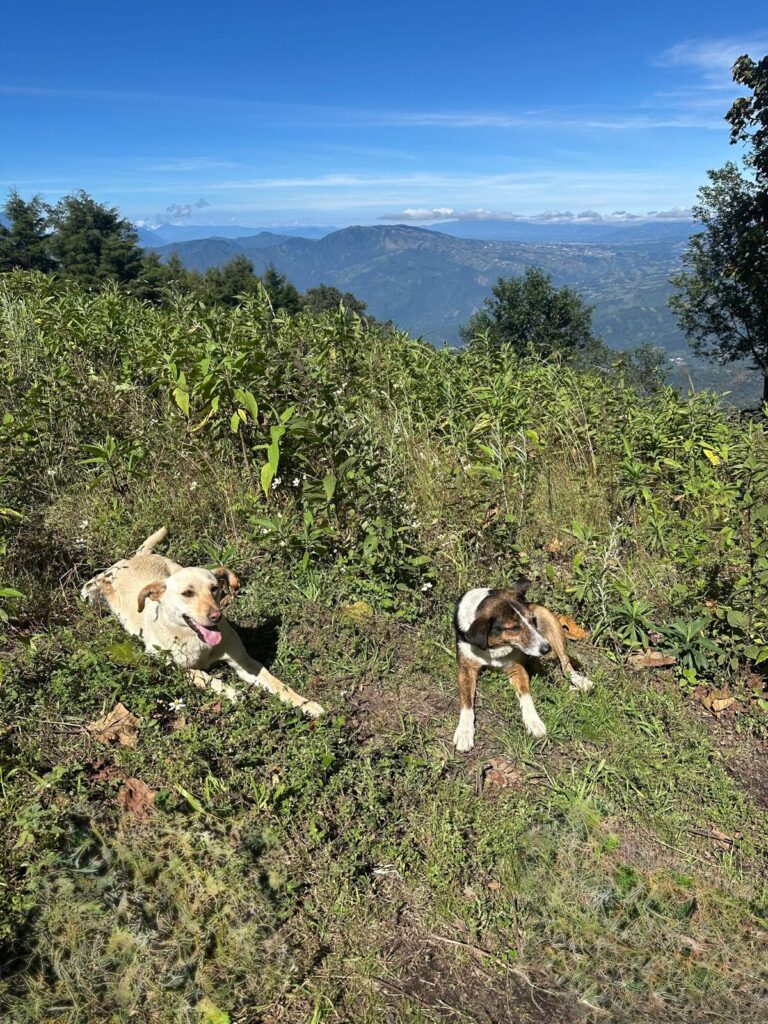
🌋If you want a full breakdown, check out my complete guide of hiking Acatenango Volcano.
The Climb Up Acatenango
At 9 AM, we began the hike. The first stretch was brutal – a steep incline that felt like it went on forever, but the views made it all worth it. Our group kept a fast pace, and within about 2.5 hours we reached the halfway point, where we stopped for a delicious lunch.
The second half of the climb was still challenging, but a little easier since the trail wasn’t quite as steep. Eventually, we reached the “Fin del Camino” sign, which means you’re almost there. From here it’s about 45 more minutes of mostly flat terrain before reaching camp. We picked up our bags and continued the trek.
Watching Fuego Erupt
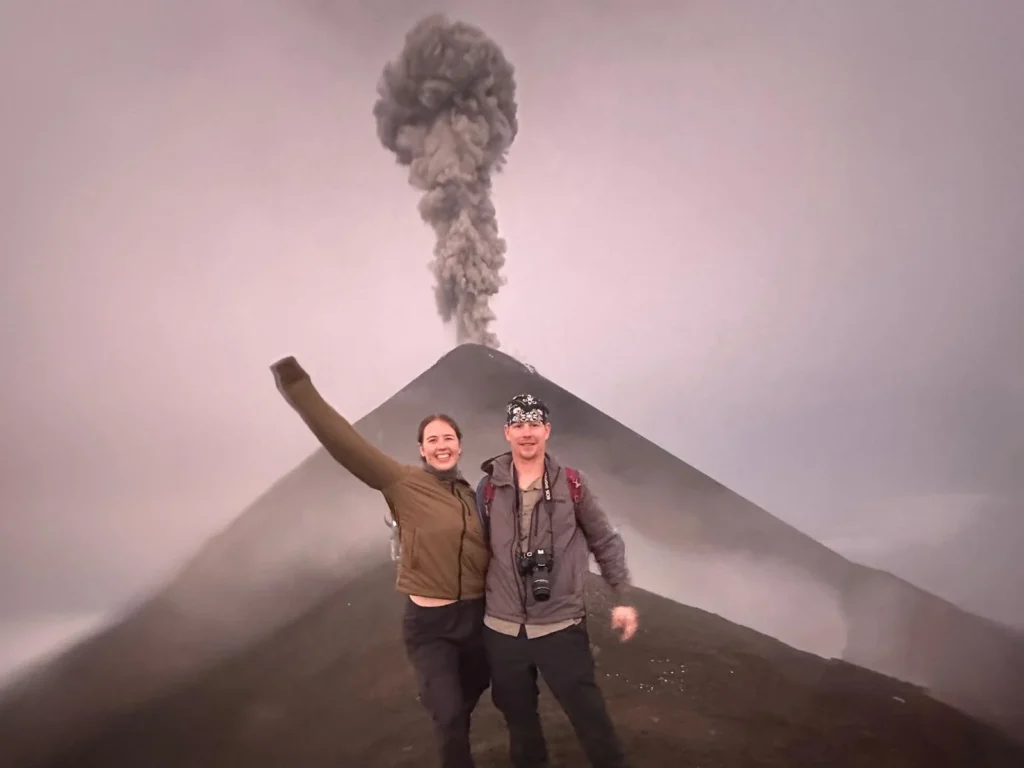
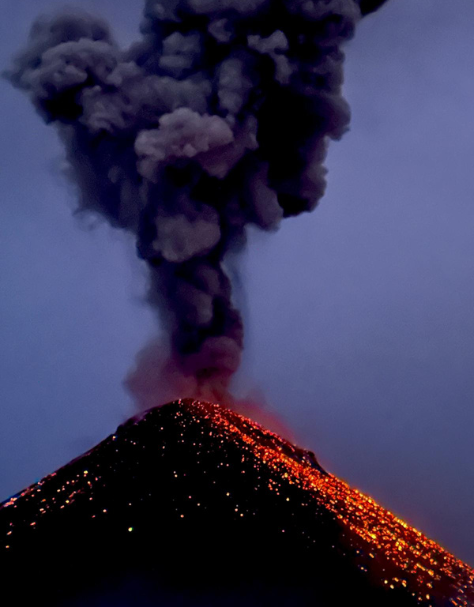
We made it to the top in just under 4 hours, and it was a workout! But sitting down and watching Volcán Fuego erupting right in front of us was unlike anything I’ve ever experienced. The deep rumbles and bursts of glowing lava were absolutely unforgettable. We settled in, popped open a drink, and cheers-ed to the climb we had just accomplished.
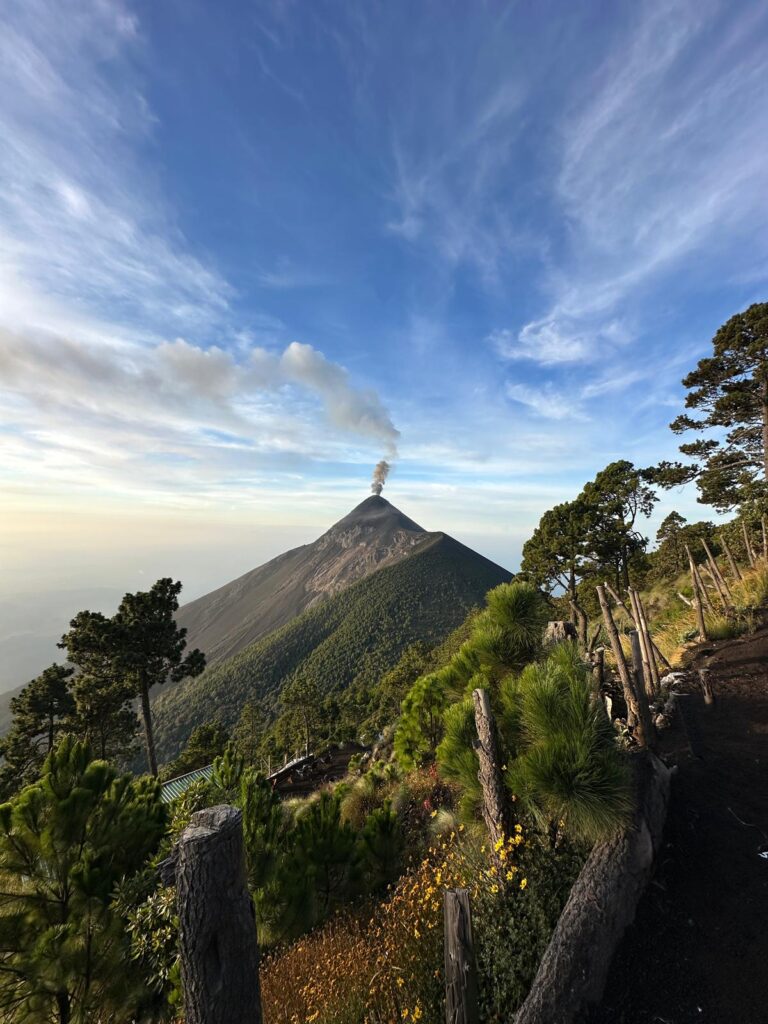
Optional: Fuego Hike
For those who want to push even further, there’s the optional Fuego hike. We decided to go for it, and it was intense. The hike adds another 4 hours, and it felt even harder than Acatenango itself, partly because you do it immediately after summiting. But the views were incredible! Standing so close to an active volcano was something I never thought I’d experience before. This is truly a once-in-a-lifetime experience.
About a third of our group chose to do the optional hike to Fuego, and the others chose to hang out at the top of Acatenango.
Sleeping on the Volcano
That night we stayed in a private cabin at base camp, falling asleep to the glow of Fuego’s eruptions outside our window. Drifting off to the sound of the volcano rumbling was surreal, the perfect ending to one of the most unforgettable days of the trip.
Day 10: Antigua
Optional: Sunrise Hike
Still exhausted from the additional Fuego hike the night before, we decided to skip the sunrise hike and catch a little more sleep. Our friends who went said it was incredible, so if you have the energy it’s definitely worth considering. For us, we didn’t regret the extra rest!
Hiking Down Acatenango
We woke up to a stunning sunrise over the volcanoes while sipping our morning coffee. Breakfast was simple but delicious, eggs and beans, before we began the descent. Compared to the climb up, hiking down felt easy, though the loose gravel made it a little slippery at times. In just about 2.5 hours we were back at the trailhead, and by 11:30 AM we were back in Antigua with plenty of time left to explore.
Exploring Antigua
The rest of the day was low-key. We wandered the cobblestone streets, popped into shops, and did a little souvenir shopping. After the intensity of Acatenango, it felt good to slow down and simply enjoy the charm of Antigua.
We stayed in a lovely hotel with a spa and ended the night with relaxing massages – the perfect way to reward ourselves after two unforgettable days of volcano trekking.
Day 11: Travel Home
Our final morning in Guatemala was bittersweet. After breakfast, we packed up, wandered the streets of Antigua one last time, and then drove back to Guatemala City for our flight home.
Final Thoughts on Guatemala
This trip was one of the most unique and rewarding journeys we’ve ever taken. From trekking through the jungle to reach El Mirador, to standing on the slopes of Acatenango watching Fuego erupt, to relaxing on the shores of Lake Atitlán, Guatemala completely stole my heart.
It’s a country that offers both adventure and peace – tough hikes, ancient ruins, colorful towns, and quiet sunsets by the lake. It felt raw, real, and authentic in a way that few destinations do.
If you’ve been on the fence about booking that trip to Guatemala, let this be you’re sign! It was an unforgettable trip.